

Go Back
News
Bilingual Learning Communities
BLC Series|From Passive to Active: YCYW Beijing Yizhuang Teachers Share Practical Strategies for Empowering Student Agency
Bilingual Learning Communities
24 Sep, 2026
09 : 48
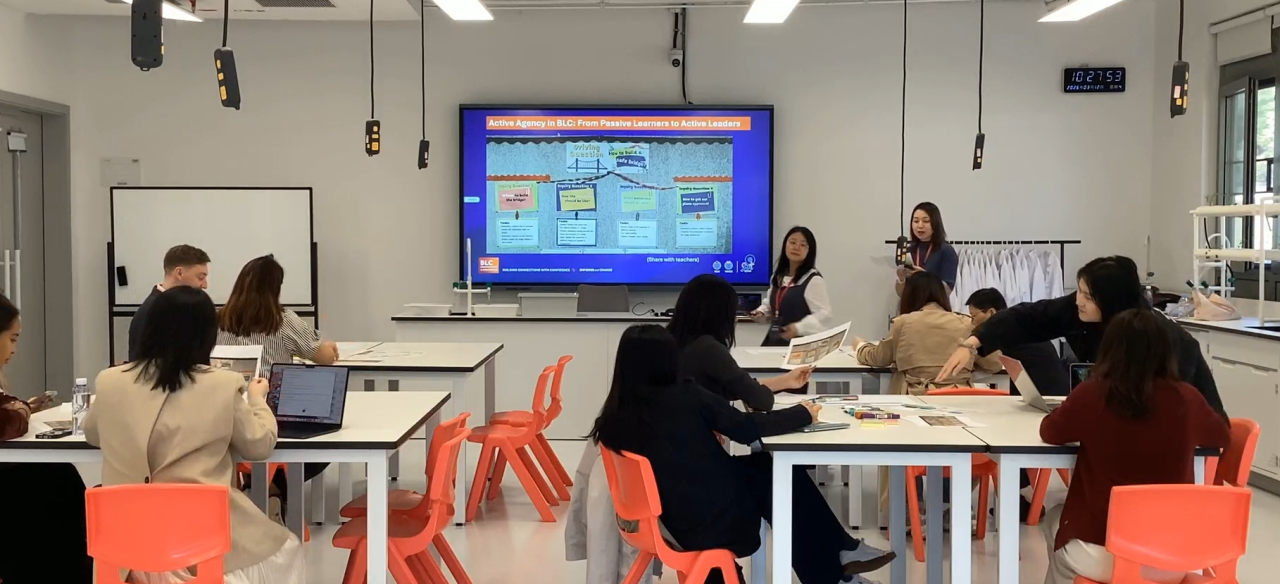
How do we move students from being passive receivers of information to active leaders of their own learning? This was the central question addressed by Felicia Xia and Aiko Long from YCYW Beijing Yizhuang during their workshop, "Practical Planning Strategies for BLC Implementation," at the Bilingual Learning Community (BLC) Conference 2026.
The session provided a deep dive into the concept of Active Agency, demonstrating how structured scaffolding and visible thinking can transform the classroom dynamic.
The Catalyst: The Sichuan Bridge Collapse
The presenters began by comparing two interdisciplinary projects. In the first, teachers designed the entire framework, which led to high-quality products but a noticeable "lack of enthusiasm" from students.
This year, the spark for learning demonstrated in the second project was far more visceral. Following a tragic news report regarding a bridge collapse in Sichuan that caused significant economic and human loss, Grades 6 and 7 students began asking urgent questions: Why did the bridge fail? How can structures be made stable? How can we prevent similar disasters in the future?
"This year, we decided to let our students lead the project," Felicia Xia explained. By grounding the inquiry in this specific real-world disaster, the students were motivated to apply Science (forces and structures), Art (architectural sketching), Chinese (expository writing), and Math (triangulation and scale) to solve a tangible problem: exploring how to build a truly safe bridge.
Making Learning Visible: The Classroom Wall as a Shared Thinking Space
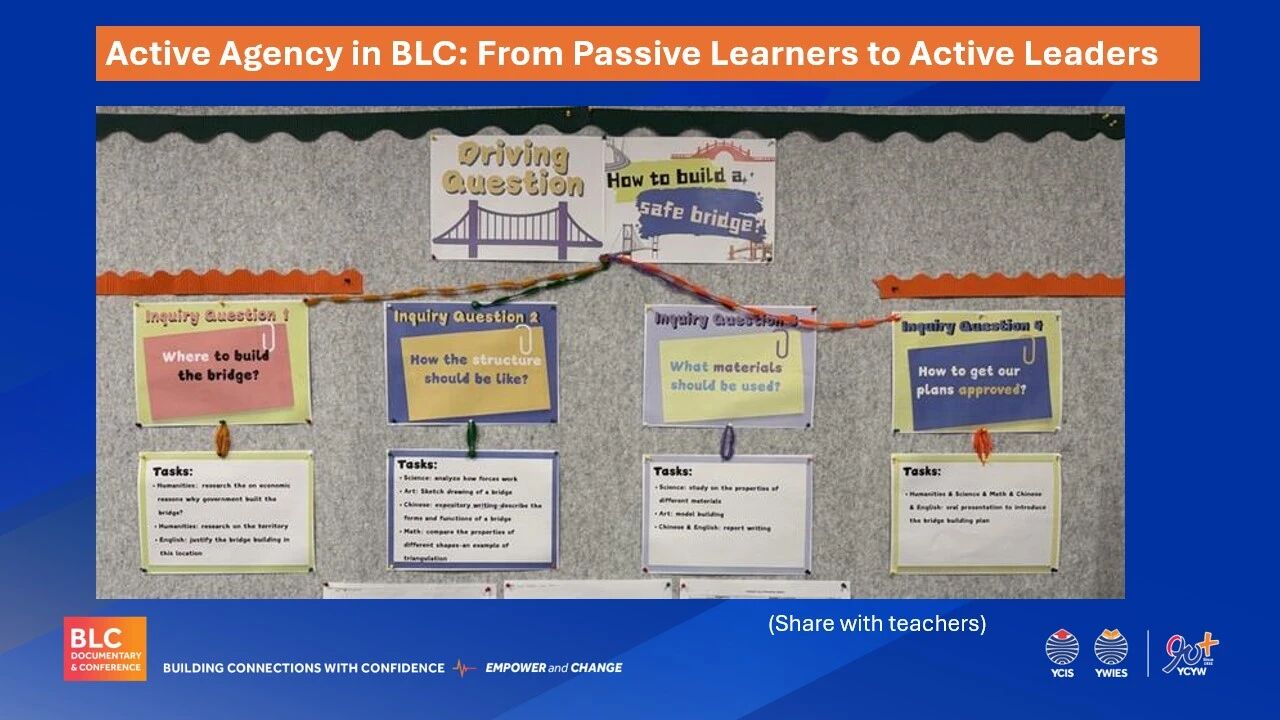
A cornerstone of their strategy is the evolution of the classroom environment. Aiko Long, drawing on her background in visual arts, demonstrated how the classroom wall evolved from a simple display into a "project management board."
The process followed a logical progression:
01
Driving Questions
Students moved from vague curiosities to a focused driving question: "How can we build a safe bridge?"
02
Sub-Tasks
Abstract inquiries were broken down into actionable sub-tasks (The "What, Where, and How"). Each task became a visible shared goal for the group.
03
Student-Created Timelines
Students estimated durations and sequenced their workflow. This shift meant students were no longer waiting for instructions; they were identifying what needed to be done next.
"Ownership begins when students see their questions shaping the project direction," the team noted. By making these elements visible, the wall became a shared thinking space where students could see how their individual research contributed to the whole.
Assessment for Agency
The workshop also highlighted the role of assessment in fostering agency. By pre-sharing rubrics, teachers set clear success criteria for self-directed learning. The educators introduced a "Mid-term Self-Reflection" model where students identify their own strengths and weaknesses and form a clear action plan. This cycle of "Where we are, where to go, and how to get there" empowers students to take proactive responsibility for their progress.
Positive Reception and Interdisciplinary Impact
Participants praised the practical nature of the session. Feedback highlighted the effectiveness of the "driving question breakdown" and the use of real-life student testimonials. One attendee noted, "It was interesting to see how the pair shared the shift from passive learning to active learning... the details provided are very helpful for my own teaching."
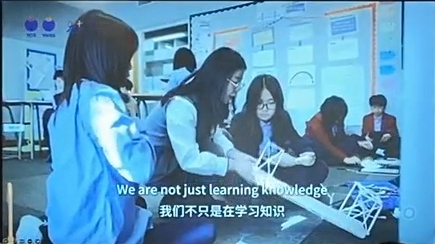
As students gain confidence through these BLC projects, they are not just learning academic content; they are developing the organisational, logical, and independent habits of mind that underpin lifelong learning.