


Go Back
News
YCYW Educational Insights
Is service learning worth the time? What a tactile path can teach students
YCYW Educational Insights
03 Nov, 2026
12 : 18
Some paving stones have raised patterns that help people with visual impairments find their way. These routes are known as tactile paths. What happens when someone parks a bicycle across one? How can students understand the problem, and what can they do for others?
That is one starting point for understanding service learning. A school connects classroom learning with a task for other people or the community, so students can apply what they have learned to a real question and then reflect on their approach.
In April 2026, Yew Wah Beijing reported that a group of students had investigated urban accessibility in their Global Perspectives course. They observed tactile paths in Yizhuang, recorded obstructions, created a heat map, interviewed people with visual impairments and completed a data analysis report. The school also recorded a talk given by the students. The project began with an investigation and led to an action in which students could take part: helping more people understand why tactile paths need to be kept clear.
What are the map and report for?
To find out where tactile paths in Yizhuang were obstructed, students first needed observations from the area. The heat map places these records on a map, showing where the group found obstructions. The analysis report addresses another question: what conclusions can the records support? Which locations or times might need further observation?
This is where classroom knowledge can be put to use. Students need to decide what to record and how to organise it, and use information to explain their judgements to others. When looking at a child's work, parents can ask them to point out one finding on the map and explain the evidence behind it. This makes it possible to see some of the thinking that went into the finished work.
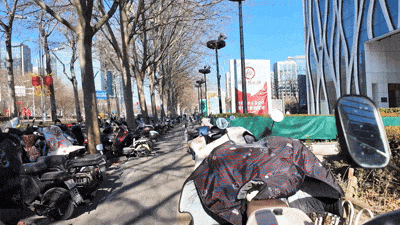
Street scene from the Yew Wah Beijing project footage.
From seeing an obstruction to understanding someone's needs
A map can show where an obstruction is. For someone relying on a tactile path to find their way, how to continue when the path is blocked is another question. The Beijing students interviewed people with visual impairments to understand what they had seen on the streets through users' experiences. The interviews have a purpose: if students want to do something for others, they first need to understand the difficulties those people face.
In their reflections, the group said they hoped to start in their school and community, helping more people understand why tactile paths should not be obstructed. The action recorded in the school's report was one talk given by the group. The map and report were products of the investigation; the talk was a step towards bringing the issue to others' attention.
A shared reading activity in Chongqing
In April 2026, YCIS Chongqing reported that Year 12 students read stories to K5 children and led a hands-on activity related to the book. The older students provided an opportunity for younger children to listen to a story and take part in an activity.
For Year 12 students, leading shared reading involves considering whether younger listeners can follow and whether instructions are clear. It also involves coordinating with classmates over who reads the story and who leads the activity. The Beijing students needed to understand the situation of tactile-path users; the Chongqing students needed to consider whether the younger children could understand and participate. The tasks differ in scale, but both give students opportunities to adjust what they do to the needs of others.
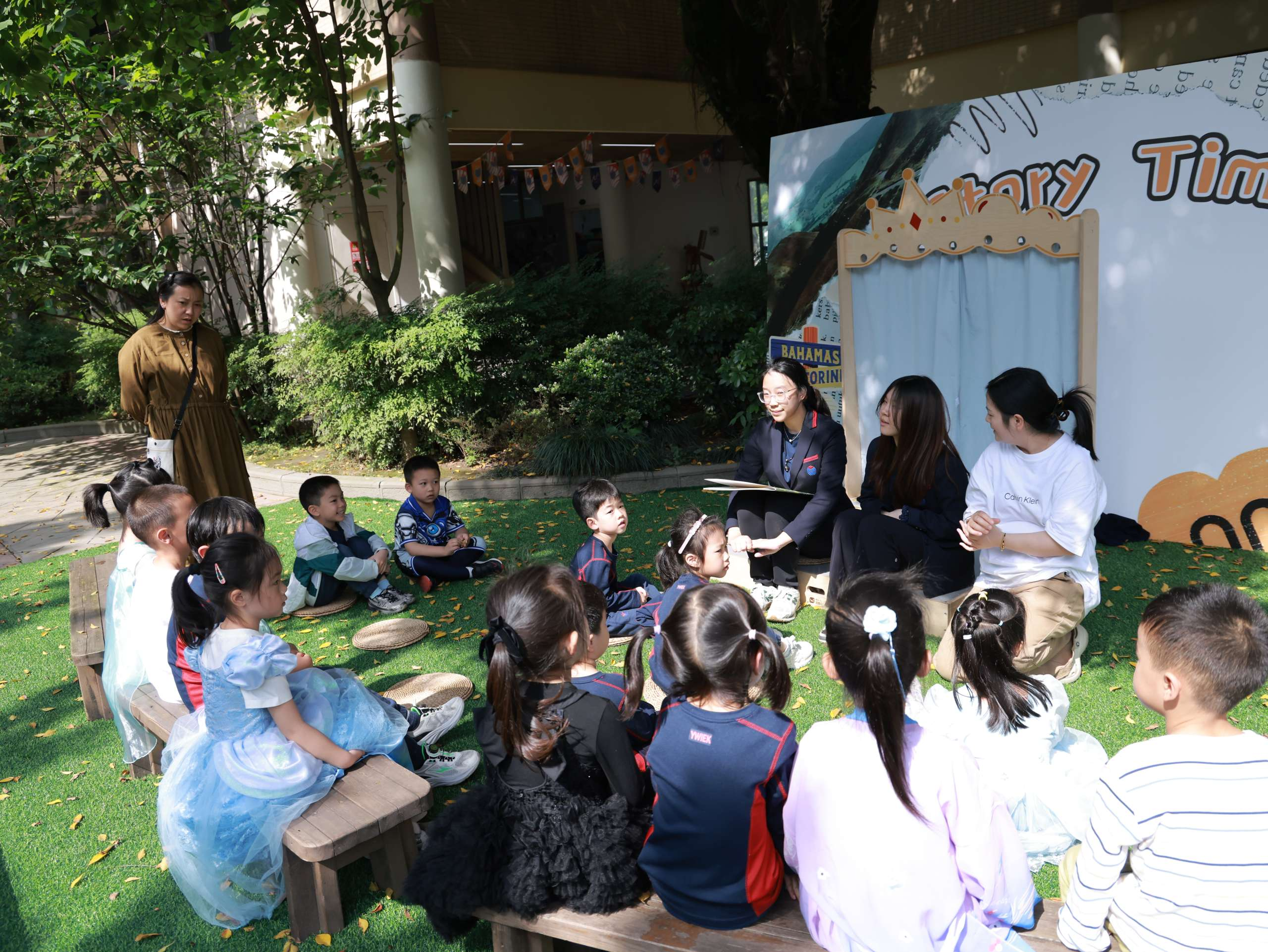
The shared reading session in the YCIS Chongqing school report.
Why spend time on it?
Doing a task can help students identify what they might change next time. The Beijing students reflected that most of their interviews had been online. If they repeated the project, they hoped to visit relevant organisations for face-to-face conversations, so they could learn more about interviewees' thoughts and needs. Having conducted interviews, they could identify a limitation of their approach and suggest what they would try next.
Parents can use three questions to consider the time involved. What is the task intended to help students practise? Which part is the child personally responsible for? After the activity, is there an opportunity to hear feedback and consider what to do next time? For example, ask whether the child can point to a finding in the records they organised, or describe how they helped younger children follow a story. Concrete answers can help parents understand where the time went and what their child practised.
Frequently asked questions
How is service learning different from volunteering?
Both can provide help to others. Service learning also sets learning goals in advance, gives students a chance to apply classroom learning to a task, and includes reflection afterwards. During shared reading, for example, older students can practise explaining a story to younger children and then consider which explanations helped them follow along.
Does service learning have to take place off campus?
It can take place in school. For example, older students could organise shared reading for younger pupils. Parents can ask whose needs the activity addresses, what their child is responsible for and how the students will reflect afterwards.
How can a quieter child take part?
A child can discuss starting with preparing interview questions, organising observations or designing a shared reading activity with their teacher. In an investigation, for example, they could turn the group's records into a map and explain its most noteworthy finding to the group.
References
- Yew Wah Beijing: the IG2 Global Perspectives project (April 2026).
- YCIS Chongqing: students lead service-learning activities (April 2026).
- Systematic review of service learning (2022): the overall evidence of effectiveness was inconclusive.
