

Go Back
News
News
Breaking Away from “Working in Silos”: YCIS Silicon Valley Shares a New Blueprint for Bilingual Curriculum Design
News
22 Jun, 2026
10 : 50
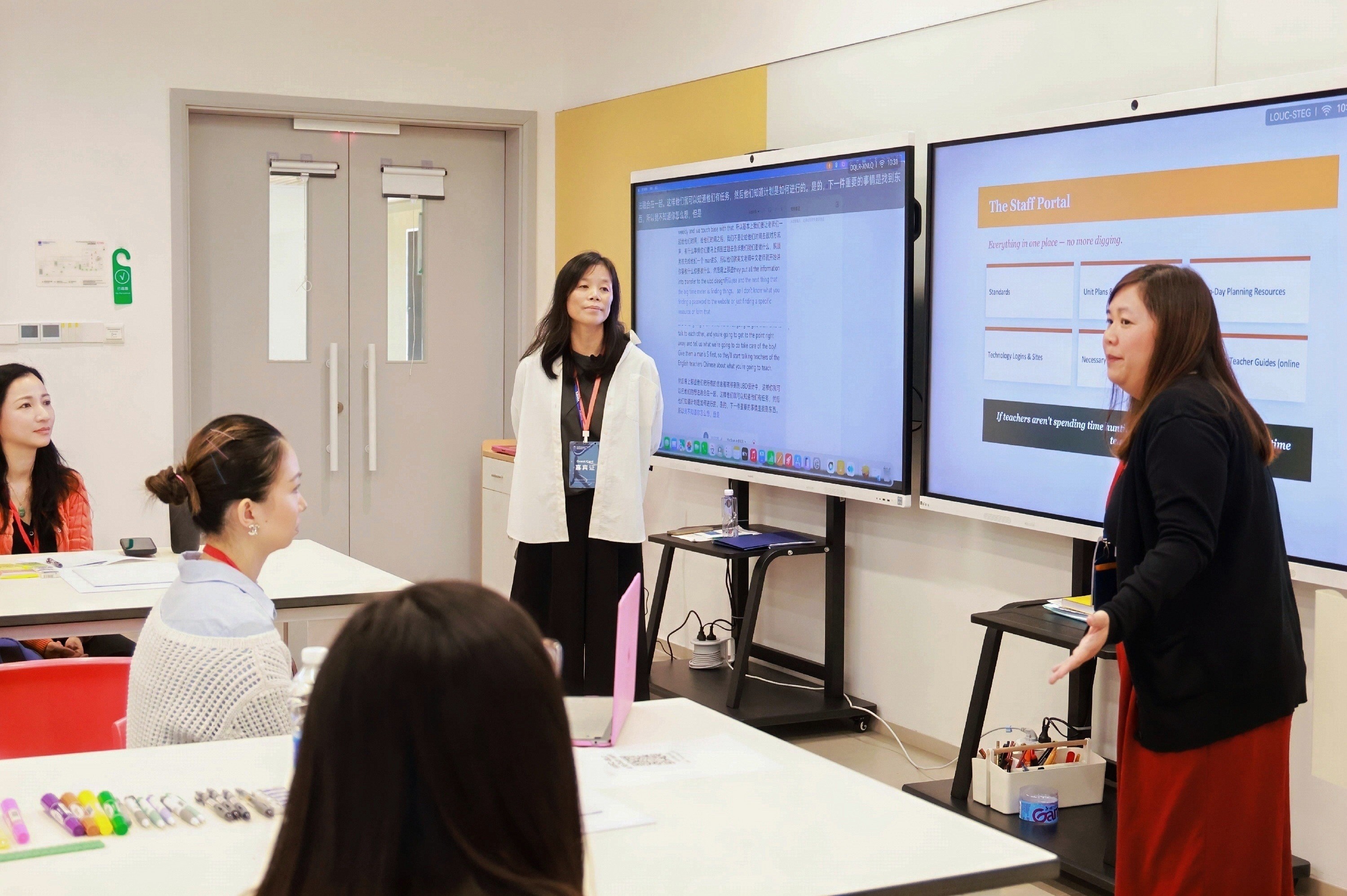
As the demand for globalised education continues to grow, how to develop a comprehensive bilingual teaching system has become a major focus in the education sector. At the 3rd Bilingual Learning Coummnity Documentary and Conference held on 12 March 2026 at Yew Wah International Education School of Guangzhou, Ms Yu-Chin Ho and Ms Christina Pham, Curriculum Coordinators from YCIS Silicon Valley in the United States, presented a workshop titled “Intentional Curriculum Design: Aligning Standards, Bilingual Learning, and Student Outcomes.” They explained the school’s transformation over the past five years and its successful practices.
Reflecting on the Pain Points: Breaking Teachers out of “Parallel Worlds”
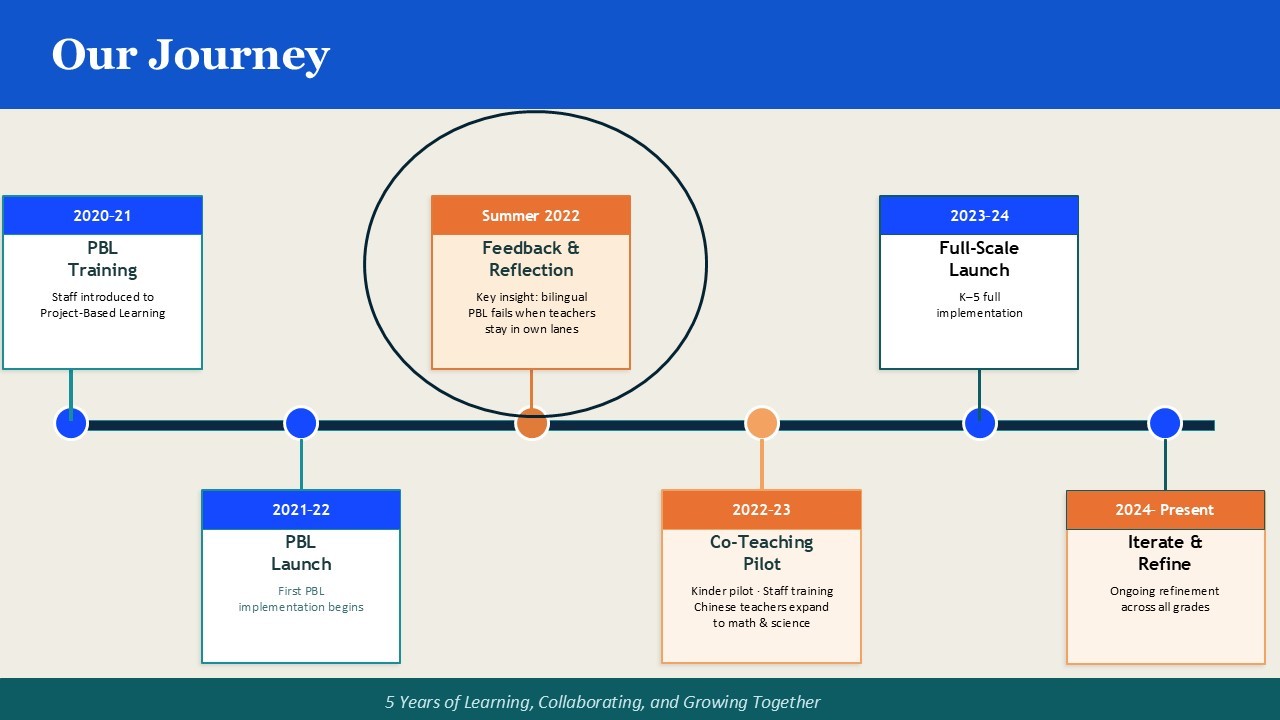
During the workshop, the two facilitators highlighted a common challenge in bilingual education. In the past, although the two homeroom teachers worked on the same campus, English and Chinese teachers often operated as if they were running on “separate tracks.” Because the timetable was divided by language, teachers lacked opportunities for effective communication and collaboration, resulting in a fragmented learning experience for the students.
“If teachers remain only within their own comfort zones, bilingual project-based learning (PBL) is bound to fail,” Ms Pham noted. This observation prompted the school to engage in deep reflection and structural reorganisation during the summer of 2022.
Three Key Pillars: Building a Collaborative Ecosystem
To achieve genuine bilingual integration, YCIS Silicon Valley implemented three core solutions:
1.Redesigning the timetable for quick coordination
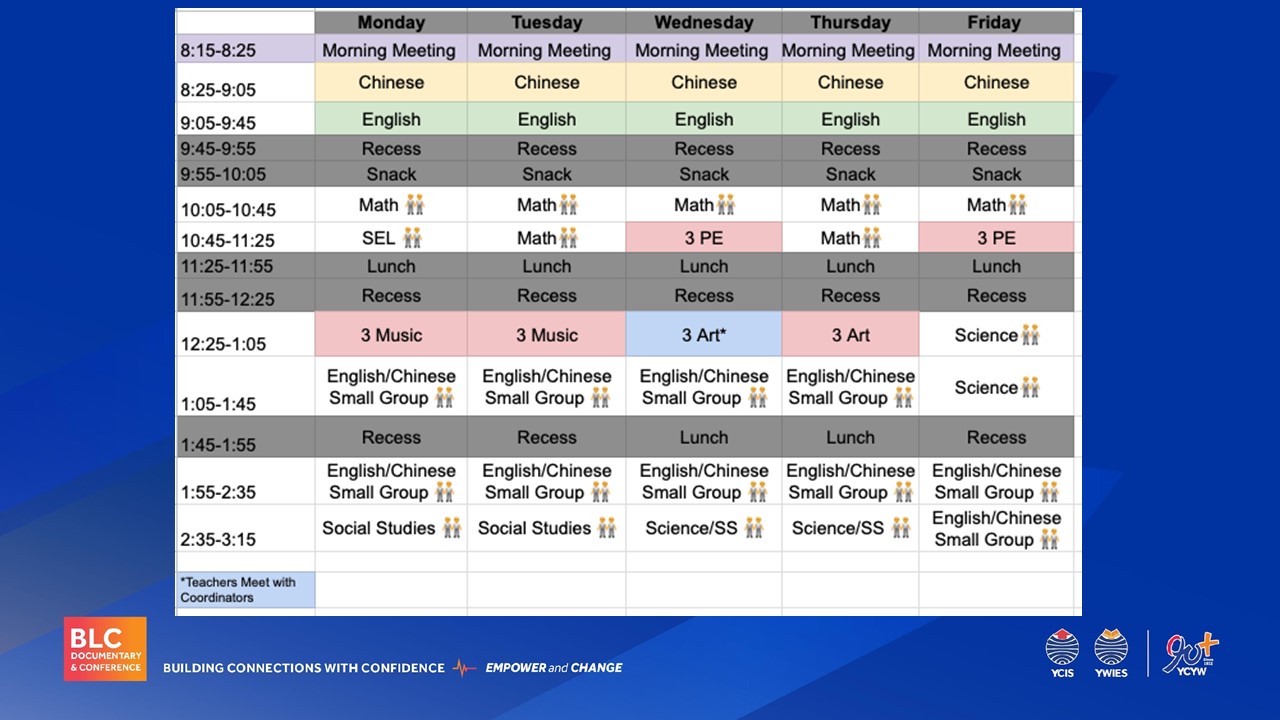
The school changed its original seven-period day to an eight-period schedule, with each session lasting 40 minutes. The school thus arranged to have at least one specialist class each day, such as Art, Music, or PE. This has enabled the two homeroom teachers to free up time for daily “Quick Check-ins”, while also ensuring that they have time for collaborative planning each week.
2.A comprehensive staff portal
To reduce the time that the teachers spent searching for teaching resources, login information, or administrative forms, the school created a one-stop K–8 Staff Portal. If teachers do not have to waste time looking for resources, they can devote more time to teaching.
3.Live Working Docs
The team introduced “Live Working Docs”, thereby enabling teachers to update lesson plans and teaching arrangements online and in real time. Even when unexpected meetings or student-support tasks arose, teachers could stay aligned through the “Ping & Update” system, ensuring that no teacher would fall behind in the teaching process.
Design Thinking: Connecting Learning with the Real World
Another key to YCIS Silicon Valley’s success was the introduction of the “Design Thinking Model”: From Research and Focus to Ideate and Prototype. This process not only empowers students with the skills to solve real-world problems, but also serves as a shared language for teachers when they design learning units.
During the workshop, the presenters shared specific examples of the practices. Grade 2 students studied the functions and structures of backpacks and then designed backpacks that were both practical and stylish. This culminated in a “Backpack Fashion Show”. Grade 4 students studied the systems of the human body, and developed health trackers and public service advertisements to address health challenges in their community.
Putting the Vision into Practice: Education Everywhere
At the heart of YCIS Silicon Valley’s educational vision is the cultivation of active learners. The school aims to break away from traditional constraints and make full use of every space on campus, so that learning can take place everywhere. In this model, the teachers’ role shifts to listening, accompanying, and guiding. Because of this personalised teaching, students not only develop strong learning habits, but also build excellence of character and a willingness to take responsibility.
This presentation not only demonstrated YCIS’s educational philosophy of integrating Eastern and Western cultures, but also offered bilingual educators around the world a structural transformation model that is both replicable and practical.