

Go Back
News
Alumni Stories
Carving Her Own Path: An Interview with YCIS Alumna Ms Betty Yang
Alumni Stories
06 Jul, 2026
17 : 39
Not everyone starts life from the same place. Yet some people go on to carve out a path entirely their own, despite the challenges.
Ms Betty Yang, a YCIS Hong Kong alumna from the Class of 2010, is such a person. Diagnosed with a severe hearing loss at the age of two, she faced challenges from a very young age. But those experiences also taught her, sooner than most, to respond to the world with focus, determination, and perseverance.
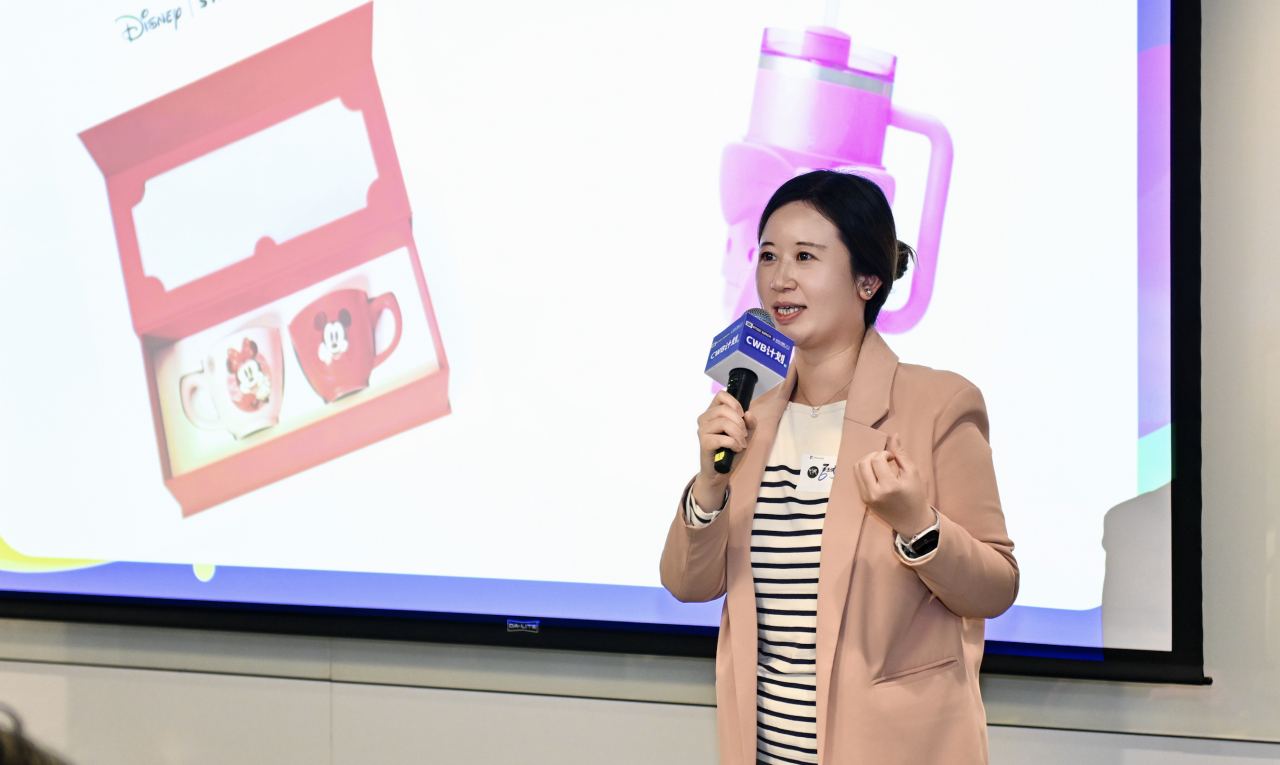
After YCIS, she studied Architecture at Tsinghua University, and then completed a master’s degree in Urban Design at the University of Sheffield. After graduating, she built her career at international organisations, including LWK & Partners (HK) Limited, the World Resources Institute (WRI), AECOM (Architecture, Engineering, Consulting, Operations, and Maintenance), and the Chinese University of Hong Kong, while consistently developing a strong and lasting commitment to accessibility and inclusion. She is the founder of Shenzhen Inclusive Green Fields Education Technology Co., Ltd., where she now is dedicated to supporting the mental health and personal growth of youth through the integration of AI and the arts, and promoting disability inclusion and inclusive values in education.
01 From Feeling “One Step Behind” to Finding Her Voice
When Betty speaks about the impact of her hearing loss, she neither emphasises the challenges nor glosses over the issues it has involved. She recalls that she did not become aware of being “different” from others until she had entered secondary school. As academic demands increased and social interactions became more frequent, she found herself increasingly conscious that her responses to sounds were often a bit slower than those of her peers. In group conversations, she had difficulties keeping up. When topics switched quickly, she would sometimes respond with a polite, half-understanding smile to ease the awkwardness. That subtle sense of distance was something many others might never have noticed.
Yet after that initial sense of estrangement, she did not passively accept her situation. Instead, she gradually learned to see her difference in a new light.
“I came to appreciate the concentration that hearing loss gave me, and its natural ability to filter out external noise,” she said. In her view, hearing loss is not simply a challenge. In some ways, it also helped shield her from distractions, allowing her inner world to remain clearer and more focused, making her less easily swayed by the opinions of others.
More importantly, she transformed what might have seemed like a disadvantage into a source of inner drive. She consciously pushed herself to step into more public spaces; to engage more actively in social settings; and to seek opportunities to speak and to present on different platforms. For her, this was not only about improving her communication skills. It was also about challenging assumptions of silence, becoming more visible, and opening up new possibilities through connections.
“Hearing loss is no longer simply a reason for others to sympathise with me or to admire me. It has become a way for me to show that even in highly chaotic and constrained circumstances, people can still find systematic ways to solve problems.”
02 Learning to Adapt at YCIS — and to Build Confidence Through Difference
The challenges of her early years taught Betty how to come to terms with herself, and her time at YCIS Hong Kong helped her understand more deeply how to connect with the world through difference.
The three years she studied at YCIS Hong Kong marked an important turning point. For Betty, the greatest challenge was not the hearing loss alone, but the many kinds of adjustment involved in moving from the familiar public-school system in the Chinese mainland to an international school environment. She had to transition from a Chinese-speaking school environment to an English-speaking one; and from an exam-oriented model of learning to a curriculum that placed much greater emphasis on critical thinking, collaboration, and self-expression. At the same time, she had adapted to an entirely new social circle and cultural context. It was by no means easy. She recalls that it took her about a term to gradually settle into the new rhythms of school and daily life.
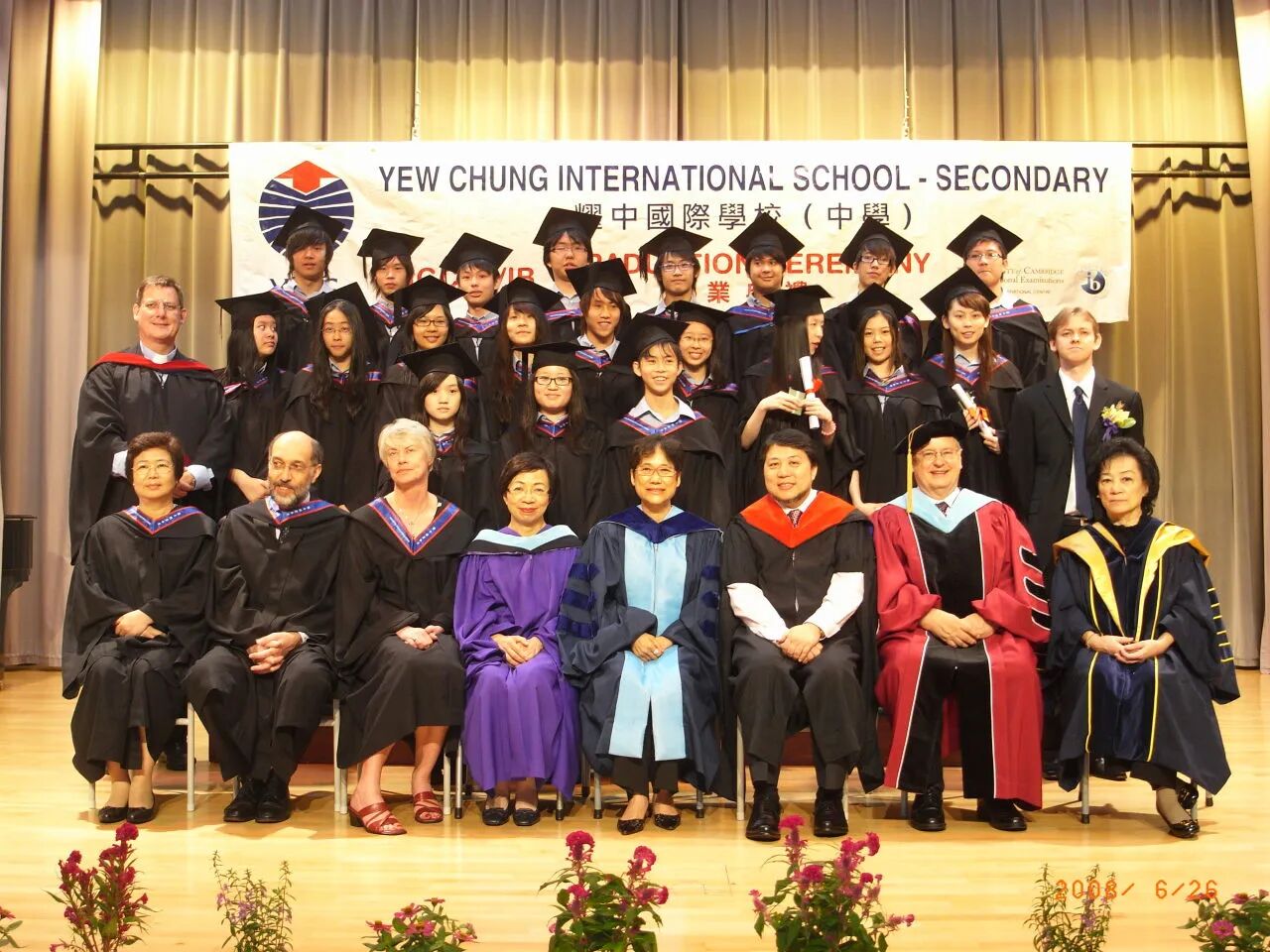
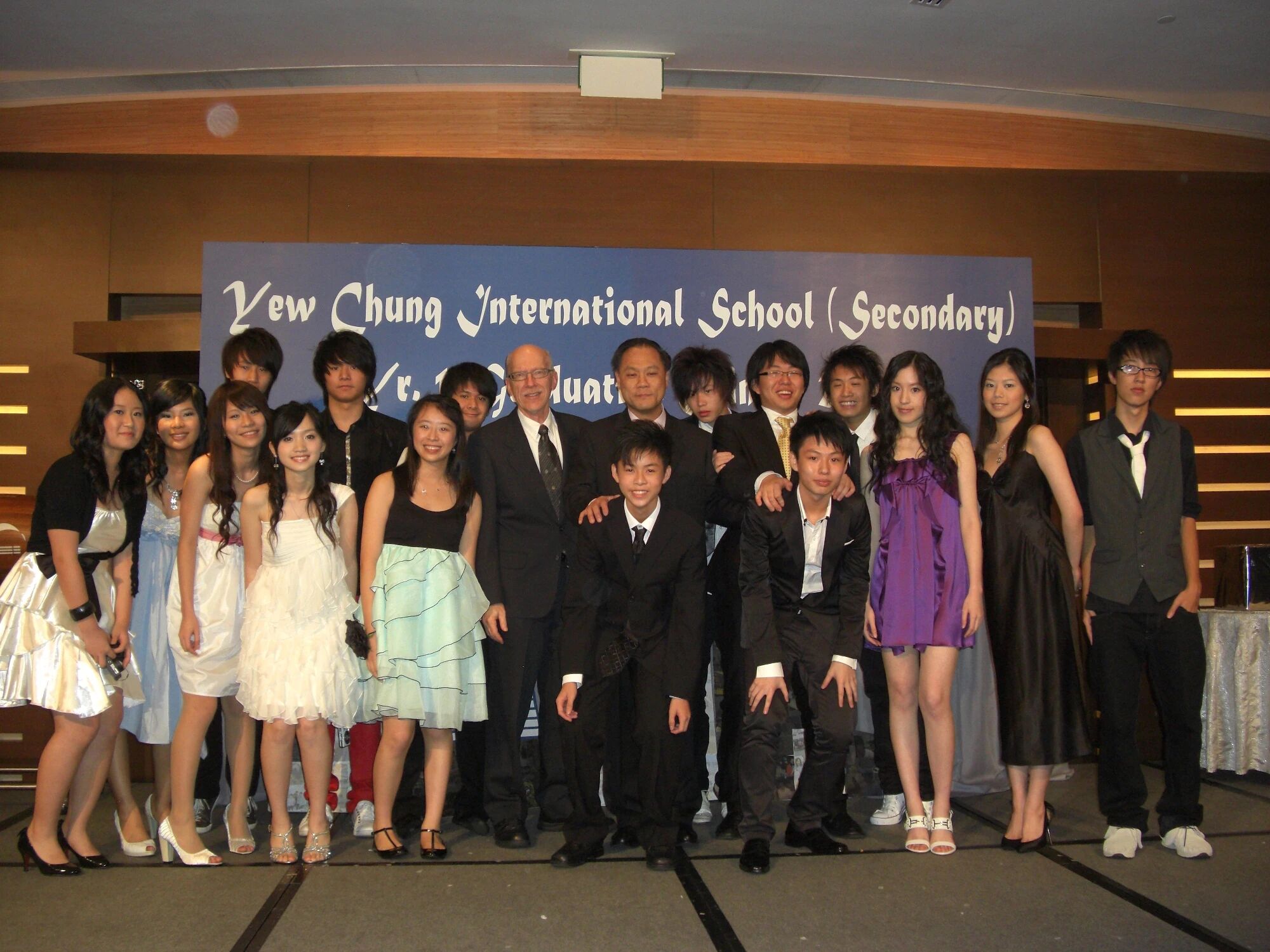
The support that Betty received at YCIS Hong Kong enabled her to experience the true power of inclusive education. She was able to receive timely guidance whenever she encountered academic or social difficulties because of the school’s strong pastoral care system, academic support beyond the classroom, and the individual attention that was possible because of the smaller class sizes. In addition, her teachers’ encouragement and the school’s emphasis on process over results helped her build confidence as she adjusted.
Looking back, Betty appreciates the values of the Hong Kong SAR education system, and of those of YCIS in particular. In her view, one of YCIS’s greatest strengths is that it not only teaches students to look outward, but also encourages them to reflect on who they are within the multicultural context. For Betty, this sense of self-identity was never abstract; it became the foundation for everything that followed. Only when people truly understand who they are, can they face differences without becoming defensive or conforming. They can thus maintain composure while remaining open and develop genuine empathy. This also became a core factor driving her later advocacy for accessibility and inclusion.
03 From Drawing to Architecture: Choosing Not Just a Discipline, but a Way of Seeing the World
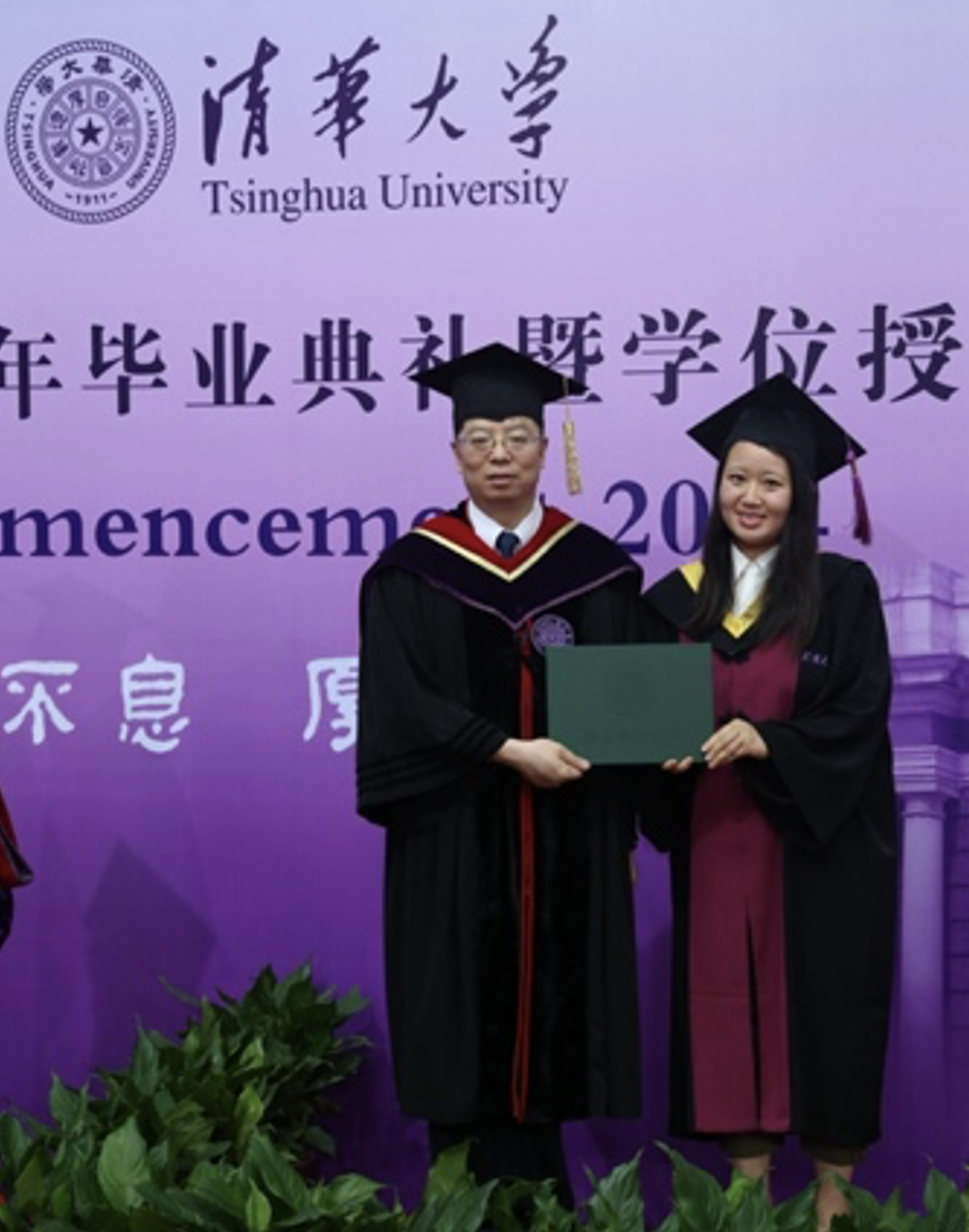
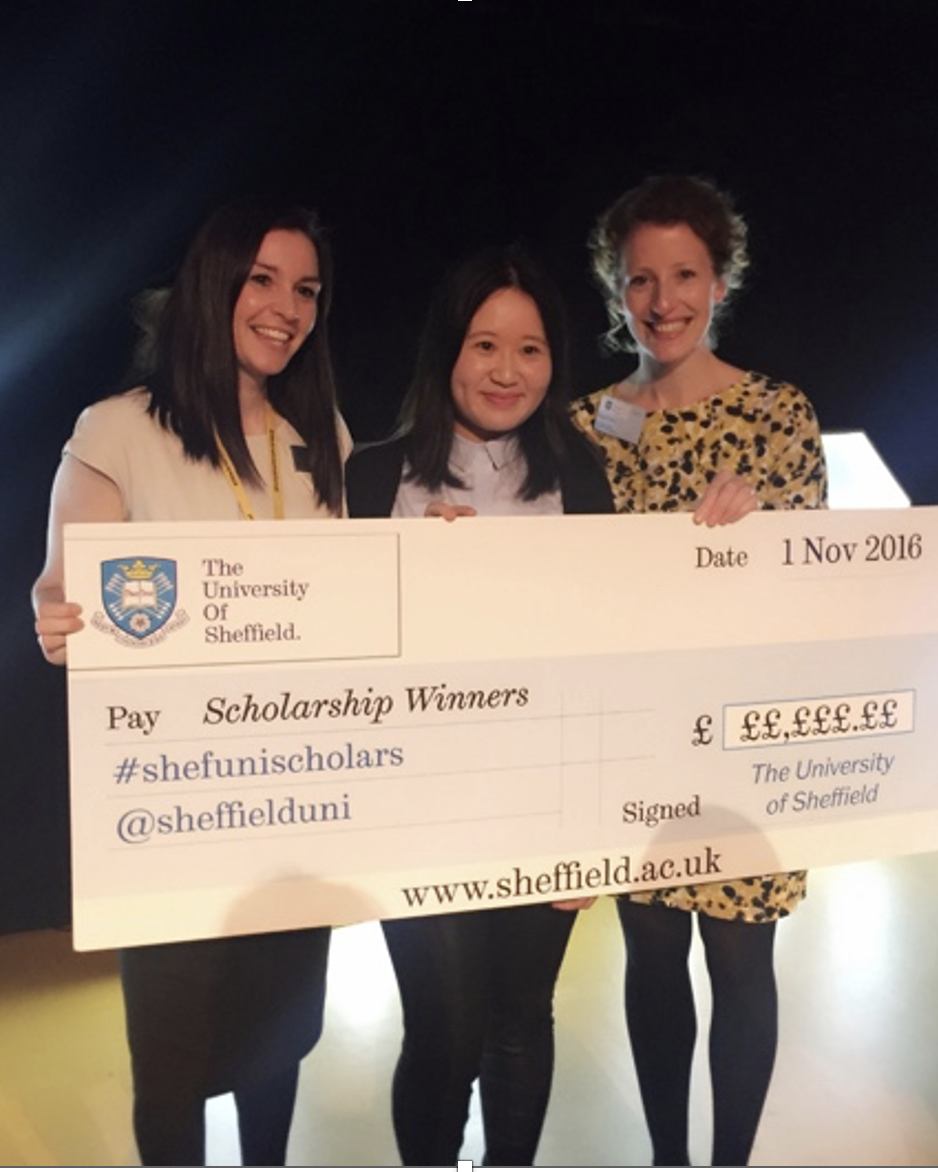
After graduating from YCIS, Betty studied Architecture at Tsinghua University, and later completed a master’s degree in Urban Design at the University of Sheffield in the United Kingdom. Architecture and cities became not only a way for her to understand the world, but also a way to shape it.
Looking back, the roots of that choice lay in her earlier experiences. As a child, before the hearing loss had limited her development of fluent listening and speaking skills, she had picked up a paintbrush and began using images to express what she saw through visuals and images. Drawing satisfied her strong desire to communicate, and subtly cultivated her aesthetic sense, observational skills, and creativity. Her parents’ support was equally important: they consciously encouraged her interest in art. They enrolled her in weekend classes and took her travelling, giving her opportunities to experience different places and absorb impressions from diverse spaces and landscapes, and thereby enhanced her power of observation.
When it came time to choose a university major, architecture became a natural extension, influenced in part by her father’s background and his PhD in civil engineering. In her eyes, architecture is the discipline that brings artistic expression into the realm of space and connects it to real-world issues. Architecture demands both sensitivity and rationality; it is concerned with both form and function; and it shapes physical environments while responding to wider social needs.
On a broader scale, urban design expanded her field of vision even further. She was no longer thinking only about individual buildings, but about more complex questions: climate change, population growth, resource allocation, wealth inequality, and how different groups of people can share spaces and opportunities within the same city.
It was also through this process that her interest in accessibility and inclusion evolved from something personal into a clear professional commitment. For Betty, design is never simply about making spaces more beautiful or more efficient. More fundamentally, it concerns who is considered in the design process and who is inadvertently excluded.
04 From Personal Experience to Public Action: Rethinking What Inclusion Really Means
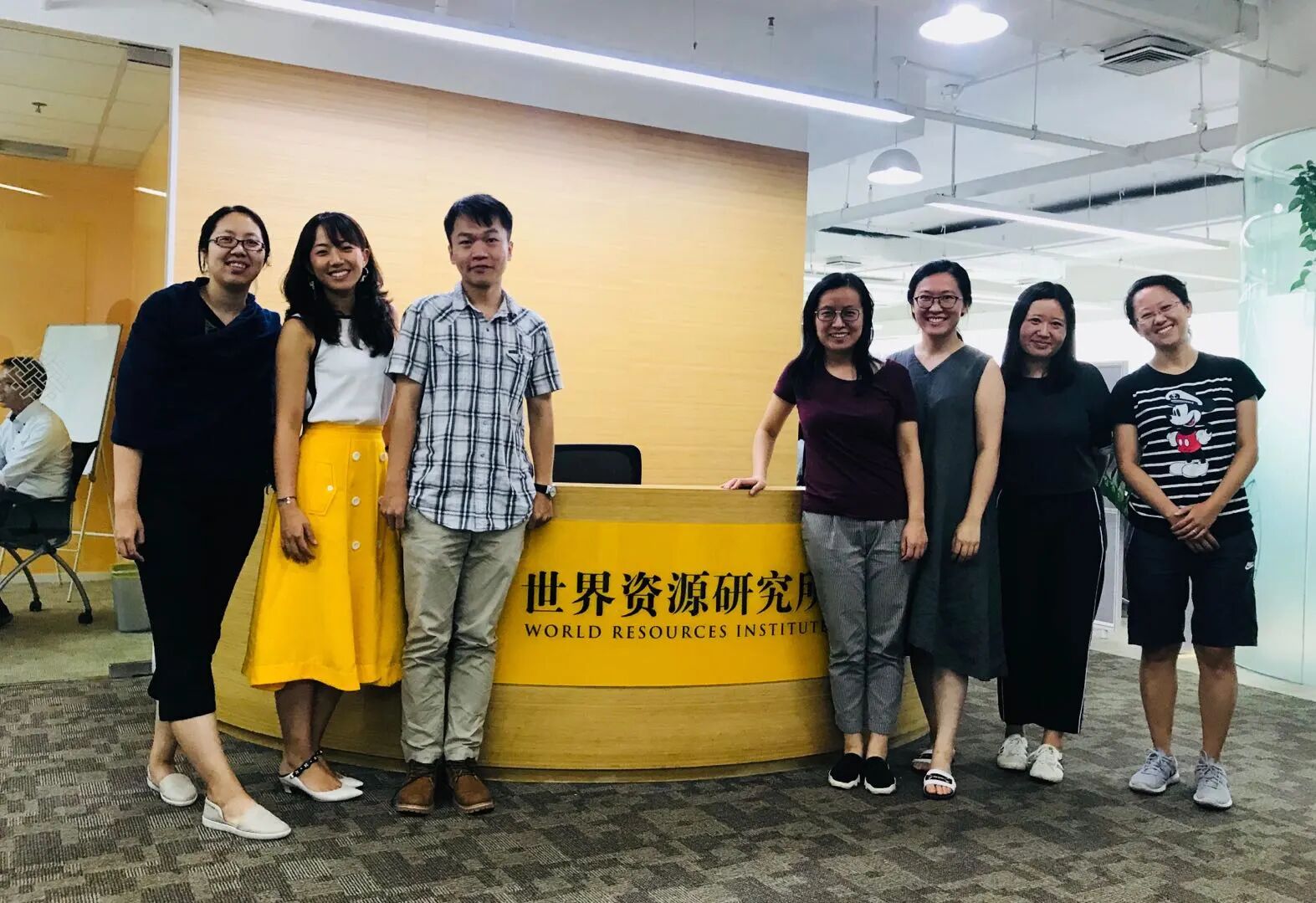
After graduation, Betty worked at international organisations such as LWK & Partners (HK) Limited, the World Resources Institute (WRI), and AECOM, gaining substantial professional experience in Shenzhen, Beijing, Hong Kong SAR, and other cross-cultural settings. Moving between different cities, systems, and working environments further shaped the perspectives and judgement she brings to her work today.
And yet, all of these experiences ultimately point to the same question that has long occupied her. What is true inclusion?
In Betty’s view, true inclusion is not about creating a separate space for so-called “special groups”, nor is it about lowering standards out of goodwill. Rather, it requires a systemic rethinking: questioning assumptions, designing proactively in ways that embrace differences, and achieving relationships of equality and co-creation. It is not only about accessibility in the physical sense, but also about acceptance and respect in psychological and social spaces.
“Compared with physical space, psychological space needs even more attention,” she noted. In an era of rapid technological development, tools and infrastructure certainly matter. But just as important is how we can preserve human warmth, and how we can promote fuller inclusion through policies, education, public participation, cultural expression, and professional opportunities. In her view, that is the true mark of a mature society.

05 Becoming a “Barrier Breaker”: Opening Up Possibilities for Herself and Others
When asked how she hopes others will understand the name Betty Yang, her answer is a powerful one. She hopes people will see not only an advocate for accessibility, but also a “barrier breaker”. To her, that means someone who continues to forge a path even where the landscape appears barren — not only for herself, but also for greater visibility, acceptance and possibility for more people with disabilities, including the hard of hearing community.
At the end of the interview, she offered a message to younger students — brief, but full of weight:
“Do not drift with the tide for purely utilitarian reasons. Hold on to independent thinking. Learn to filter out the anxiety created by the constant flow of outside information, and protect your rare capacity for deep focus.”
And perhaps that is exactly how Betty has carved her own path.