


Go Back
News
News
YCYW Students' Interview: Exploring the Eternal Legacy of Pompeii at the National Museum of China
News
23 Oct, 2026
14 : 33
In the spring of 2026, inside the Exhibition Hall of the National Museum of China, a group of primary students from YCYW Education Network stood before ancient Roman artefacts, their eyes shining with curiosity and wonder.
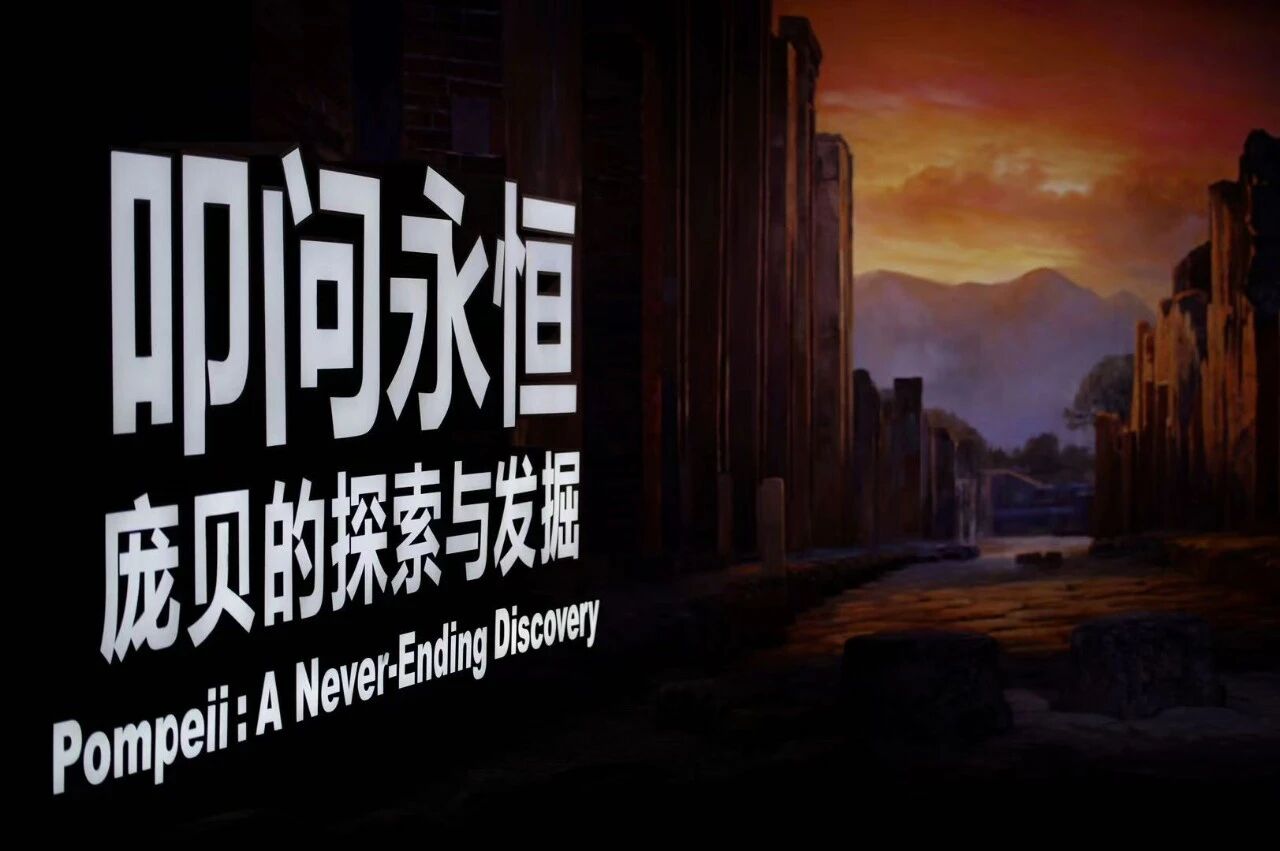
This was no ordinary history lesson, but an immersive learning experience that brought the classroom into the museum. Students from YCIS Beijing and YWIES Beijing Yizhuang were invited to visit the special exhibition Pompeii: A Never-Ending Discovery, and to take part in filming its official promotional video.
The Pompeii exhibition was jointly organised by the National Museum of China and the Treccani Institute of the Italian Encyclopaedia, and was open to the public from 4 February to 11 October 2026.
For the first time, the exhibition took the “history of discovery” as its central thread, focusing on nearly 300 years of archaeological exploration of the ancient city of Pompeii since its first excavation in 1748, and tracing the evolution of archaeological methods, ideas and achievements across different periods.
From Nervousness to Enjoyment
For the students, the visit was more than an exhibition tour, it was also a unique opportunity to take part in the filming of a promotional video.
As the first student to be filmed, Avery clearly remembered the scene.
"I had never filmed a promotional video before, let alone one for the National Museum of China. When I walked into the temporary studio and saw the green screen, cameras and lighting equipment, I was completely amazed."
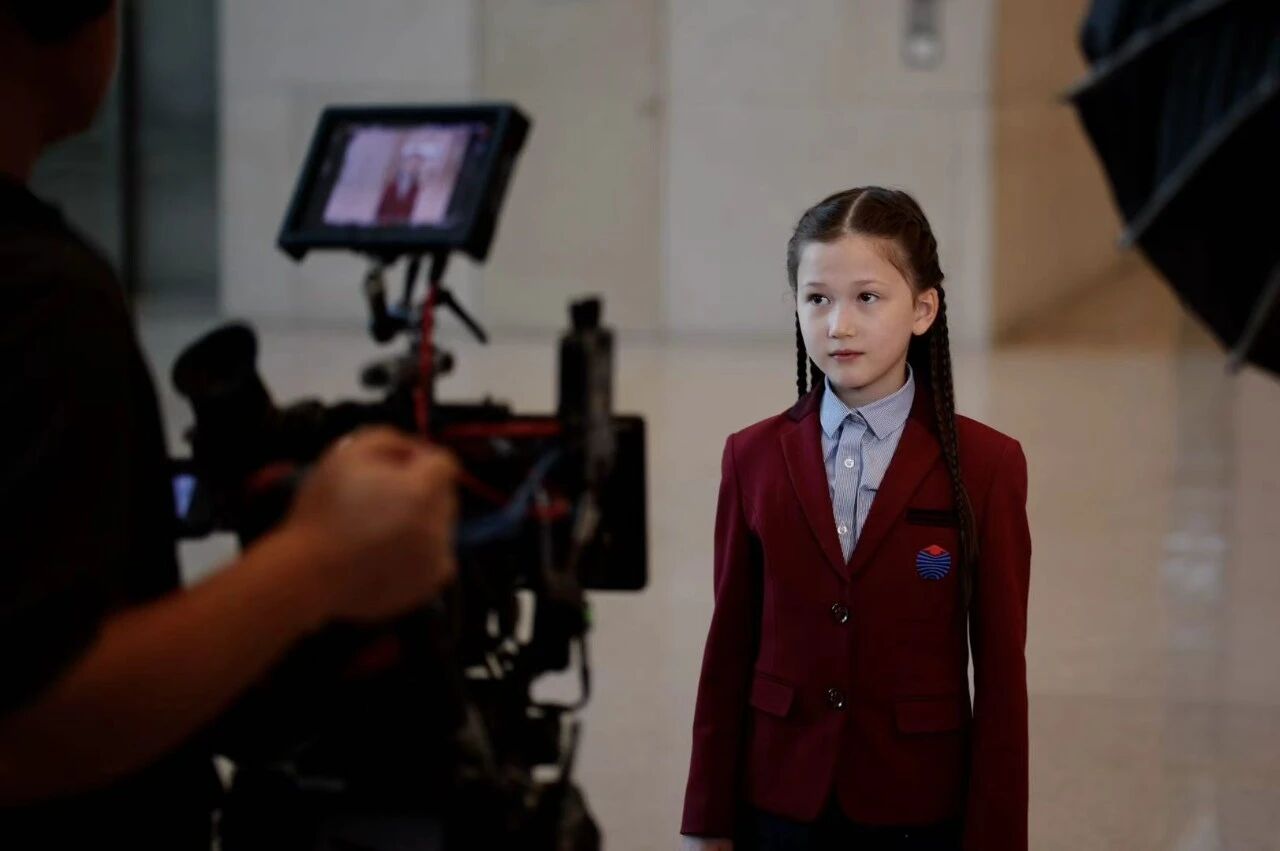
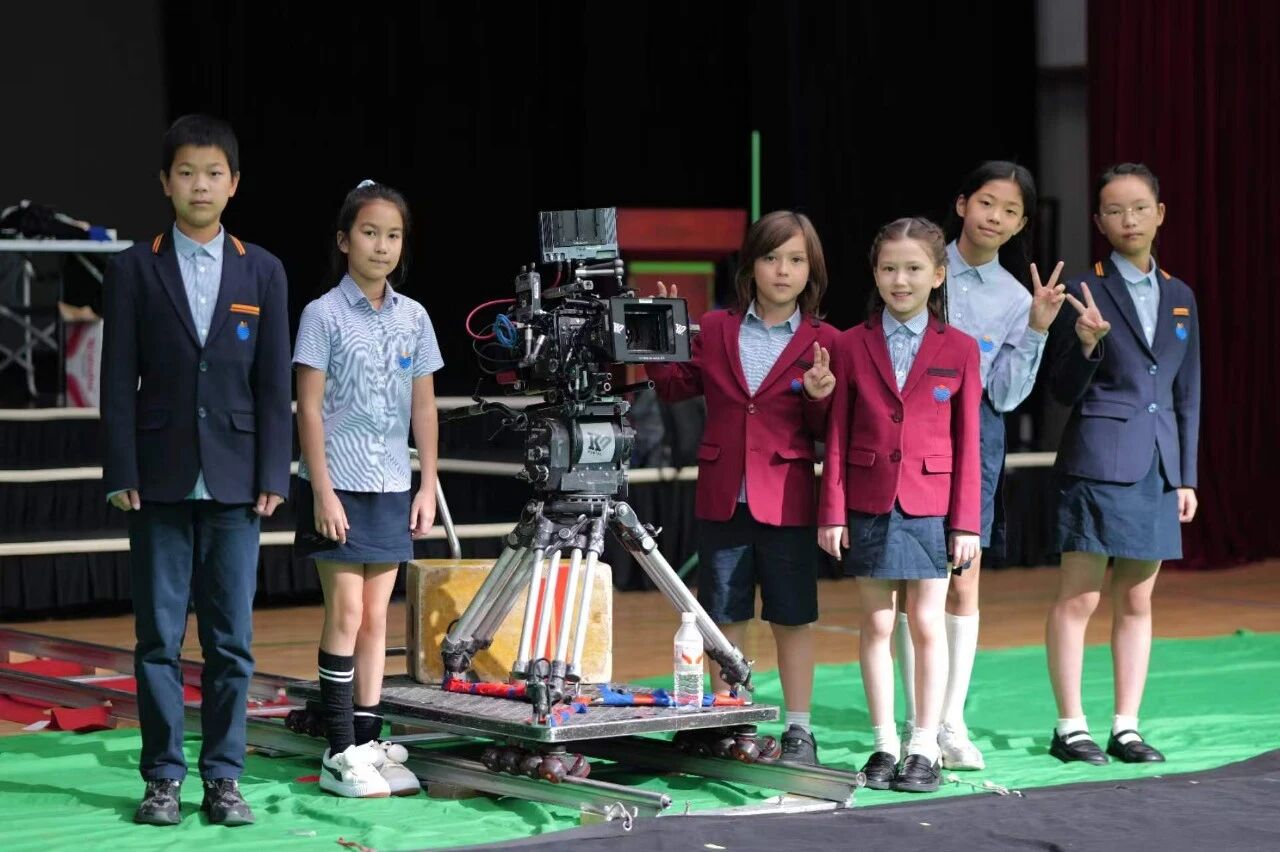
Avery admitted that he felt very nervous at first. He spent quite a long time finding the right angle and position, and had to film several takes. Yet the experience also felt excitingly new:
"It made me feel as if I were in a real film studio, getting a glimpse of how productions work behind the scenes."
Annabelle also remembered feeling nervous when she first faced the camera:
"The National Museum of China is so large and quiet. As soon as I arrived, I felt like I had to speak softly. But later I found filming really fun. We had to go through our positions and look at the camera again and again, and sometimes we even laughed."
Leo thought the most interesting part was the large screen hidden behind the museum curtain, which showed a video of ancient Pompeian soldiers at war. This gave him a vivid sense of the power of historical scenes.
"I also met a classmate from YWIES Beijing Yizhuang. We often chatted during breaks and even imitated the poses of the statues on display, which was really fun."
Emi particularly enjoyed the filming process.
"It was completely different from what I usually do at school. I worked with my friends, tried new things, and had fun while creating the promotional video. Although I was quite nervous at the beginning, I became much more confident as filming continued. Overall, it was an eye-opening and enjoyable experience. I felt that I learned a lot, not only about different cultures and exhibits, but also about how to work with others and try something new."
Adela also shared some behind-the-scenes moments. Although it was her first time filming a promotional video in a museum, she did not feel nervous; instead, she felt excited.
"I genuinely love being involved in filming, and I enjoy seeing how all the material finally comes together on camera. Even though filming can sometimes take a long time, I did not mind, because that is what it really feels like to take part in such an important project."
Muhammad admitted that, when facing the camera, he suddenly became very aware of every word he said. He needed about five takes to get one line right.
"At the time, I was thinking, ‘Why can’t I even say this one line correctly?’ But looking back, it became something we could laugh about."
What he enjoyed most was writing the script together with his classmates. Everyone shared ideas and revised sentences to make the content feel more natural and interesting. During filming, he had to forget everything around him and focus on his voice, expressions and lines, almost as if he had switched into a different state of mind.
"By the end, I felt much more confident than when I started. I realised that making mistakes is completely normal. Instead of worrying about getting everything perfect, I learned to stay calm, try again and keep going. That is probably the biggest thing I took away from the experience."
When History Becomes Tangible
The exhibition presented 105 selected artefacts from Italy, including marble sculptures, frescoes, pottery, bronzes and gold ornaments. Among them, 81 sets were shown in China for the first time, and seven had not previously been displayed even within Italy.
During the visit and filming, the students were deeply drawn to everyday life in the ancient city of Pompeii.
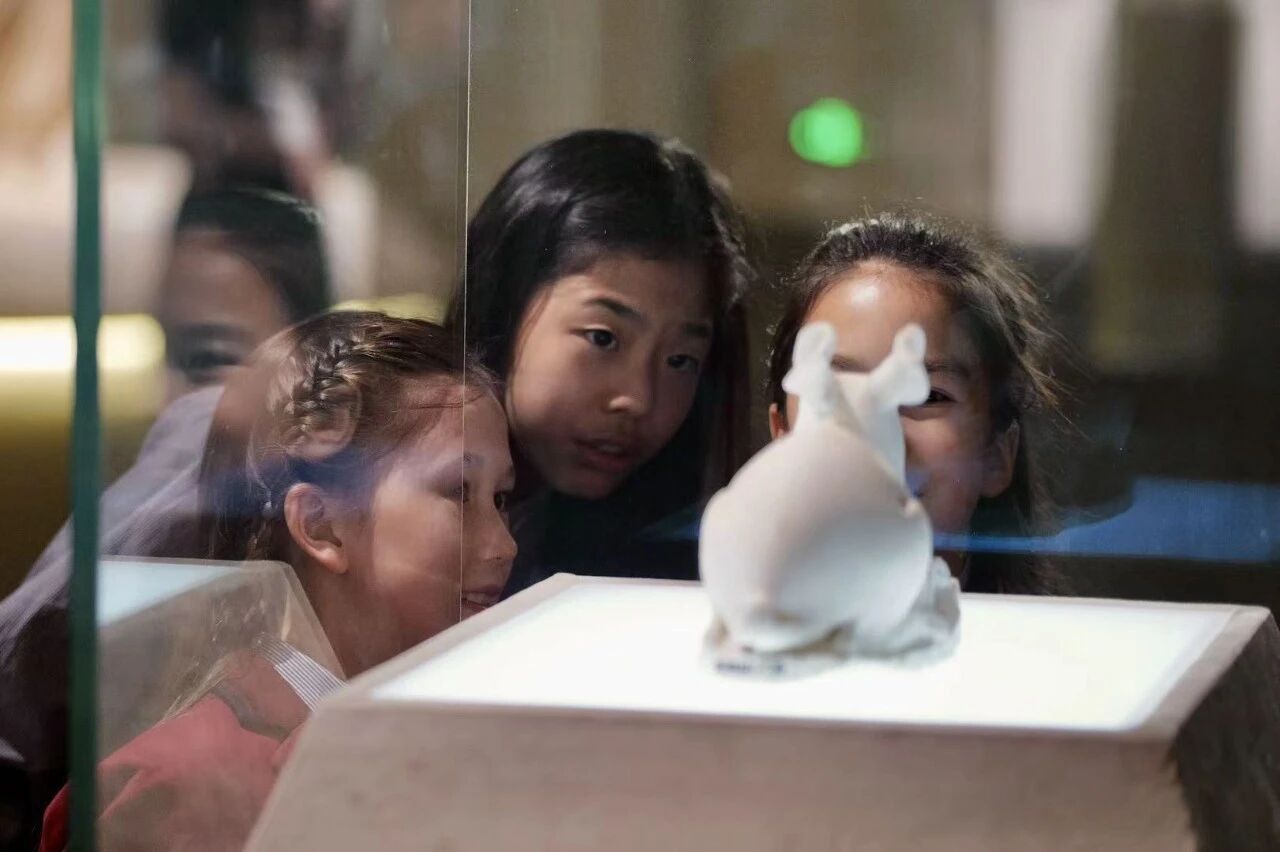
Leo said:
"I found out that people in ancient Rome were just like us, they also liked drinking from beautiful cups and wearing jewellery. Even though they lived far away, spoke a different language and dressed differently, their daily lives had a lot in common with ours."
Annabelle was particularly struck by a Roman soldier’s armour:
"It was surprising to realise that a whole city could disappear in such a short time, yet many traces of daily life were preserved. It felt as if time had suddenly stopped, which made history feel much closer to us."
Muhammad was deeply moved by the casts of Pompeii’s victims:
"When I first saw it, I was shocked. This had once been a real person, with a family, friends and plans for the future. In that moment, I realised that a single instant can completely change the course of a life."
He also mentioned that Pompeii has one of the oldest surviving stone amphitheatres from the Roman world, which led him to imagine people standing there nearly two thousand years ago, watching events unfold. For him, the experience was powerful because he was no longer simply reading about history; he was standing before objects that had survived from the past.
"It felt almost like looking through a window into another age."
Emi noticed that, although the people of Pompeii had lived nearly two thousand years ago, their daily lives shared many similarities with our own. Through these objects, she felt able to glimpse how Pompeians lived, and this helped her realise that Pompeii was not only an ancient city, but also a place where ordinary people lived, worked, ate and spent time with their families.
"This was the most memorable part of the exhibition for me, because it helped me understand Pompeii in a more personal and heartfelt way, rather than simply treating it as something from a history textbook."
Multiple Perspectives: Deepening Learning Through Cross-Cultural Understanding
YCYW’s bilingual and multicultural learning environment added special value to the visit.
Annabelle noticed that the Roman numerals she had learned in mathematics class seemed to come alive in the exhibition:
"I met knowledge from the classroom inside the museum. Roman numerals showed me that the same world can be expressed in many different ways."
Adela said that she greatly appreciated the diversity at YCYW, which gives students the chance to meet people from different cultural backgrounds and understand different perspectives.
"Visiting the exhibition made me realise how much we can learn about the cultures and histories of different countries. I think this is quite important when studying history, because everyone can look at and discuss issues from different points of view."
Avery also found the experience of “moving the classroom into the museum” highly rewarding. He and his classmates first visited the exhibition and learned about Pompeii, then wrote the script together, and finally took part in filming.
"It was like a larger-scale humanities project, but the classroom became much wider, and the final outcome was a professional video."
Muhammad concluded:
"In an ordinary classroom, I might read a passage about Pompeii and remember important facts for an exam. But in the museum, I was surrounded by real evidence from the past, and I could connect those facts with what I saw with my own eyes. Learning is not always about sitting at a desk and memorising information. Sometimes you can truly experience it, and then you understand it better."
As YCYW has always maintained, the most meaningful learning takes place not only within the classroom, but also through exploration and practice in the real world. Students from different cultural and linguistic backgrounds learn together, strengthening cross-cultural understanding and multilingual communication, while also deepening their appreciation of the shared history and values of human civilisation.
Standing before artefacts that are two thousand years old, the students saw not only history, but also the connection between themselves and human civilisation. This practice of “bringing the classroom into the museum” is a true reflection of YCYW’s holistic education philosophy: nurturing curiosity, critical thinking, good character and a global outlook through real experience, and laying a strong foundation for lifelong learning and future development.
