

Go Back
News
News
Building Connections with Confidence: Empower and Change
News
27 Mar, 2026
16 : 35
A Sidelight on the 2025-26 Yew Chung Yew Wah Bilingual Learning Communities Documentary and Conference
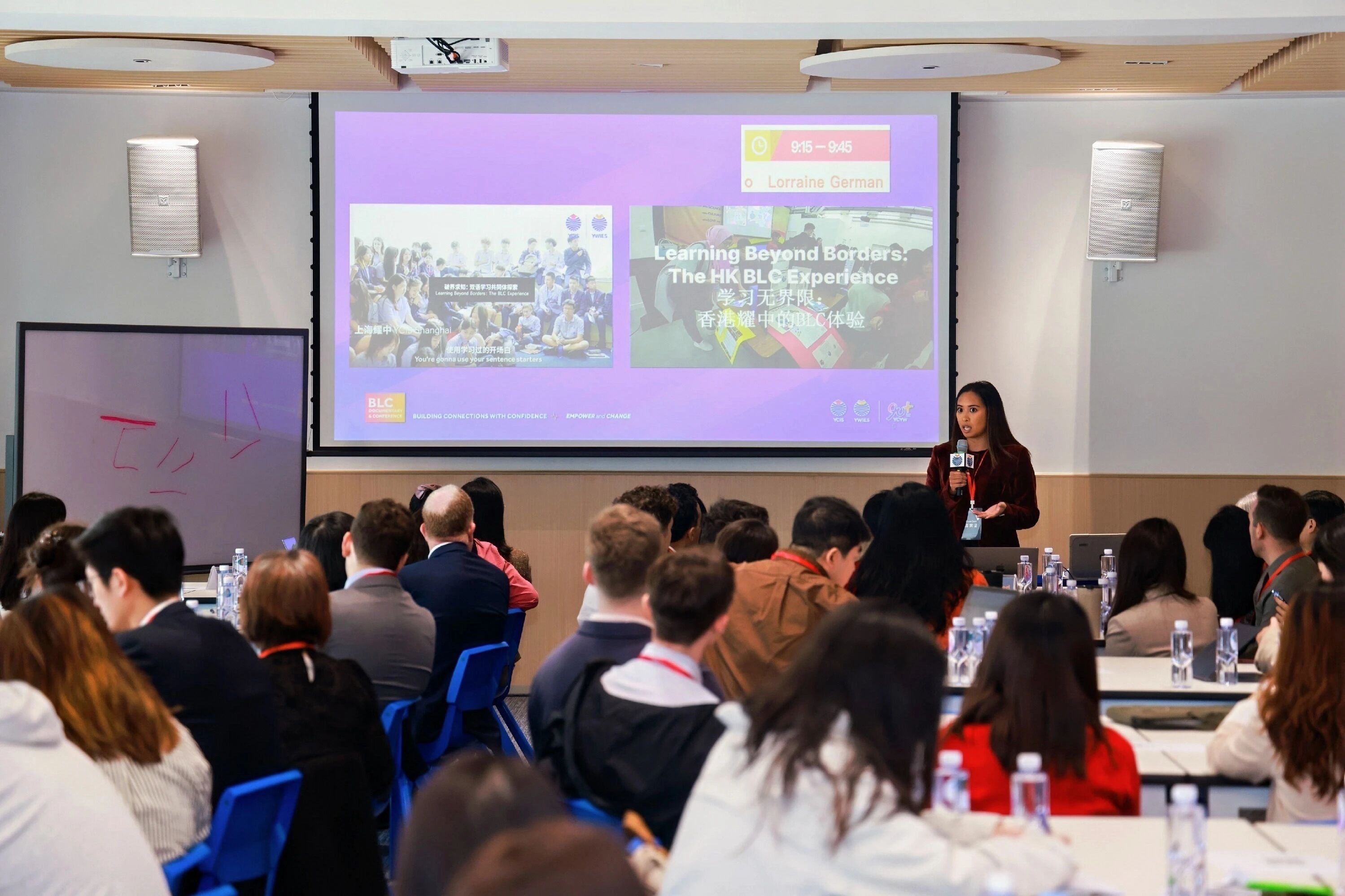
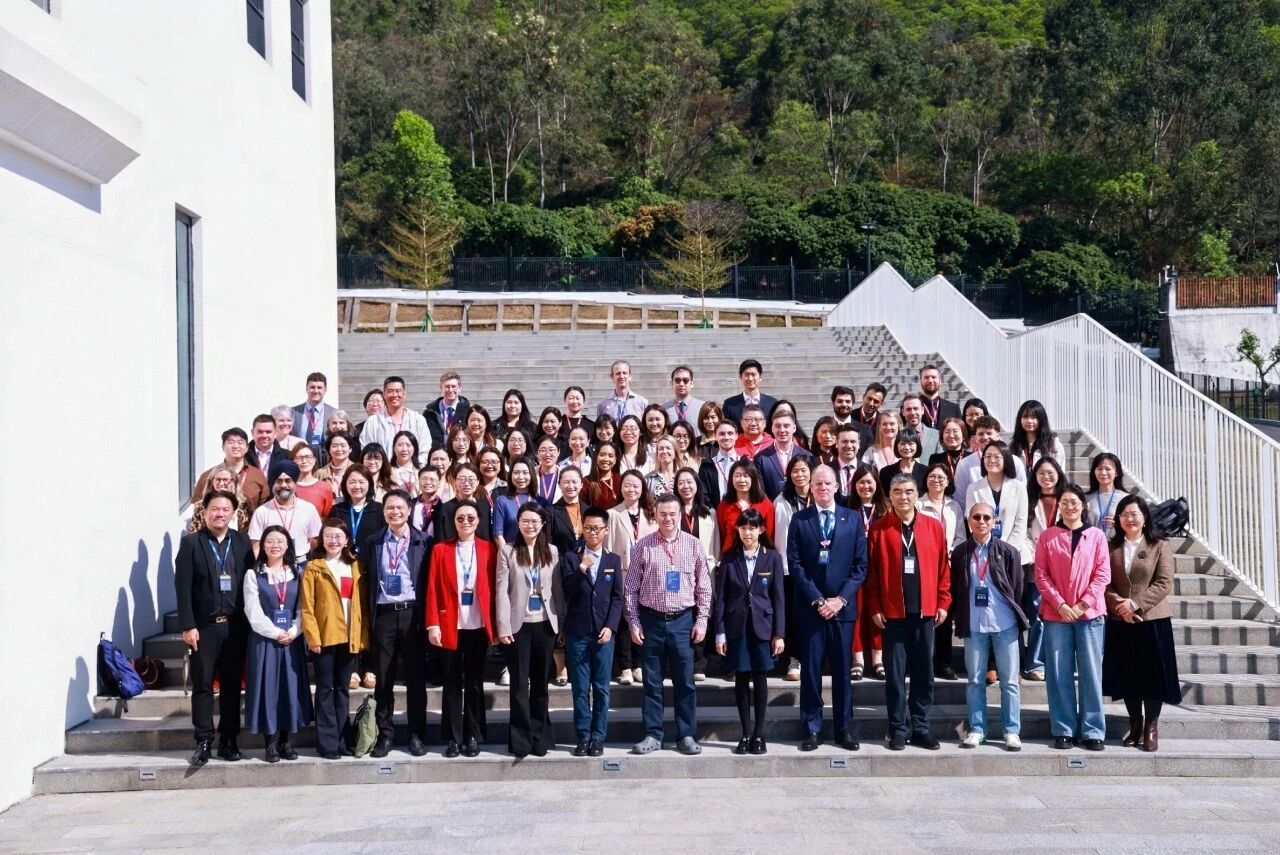
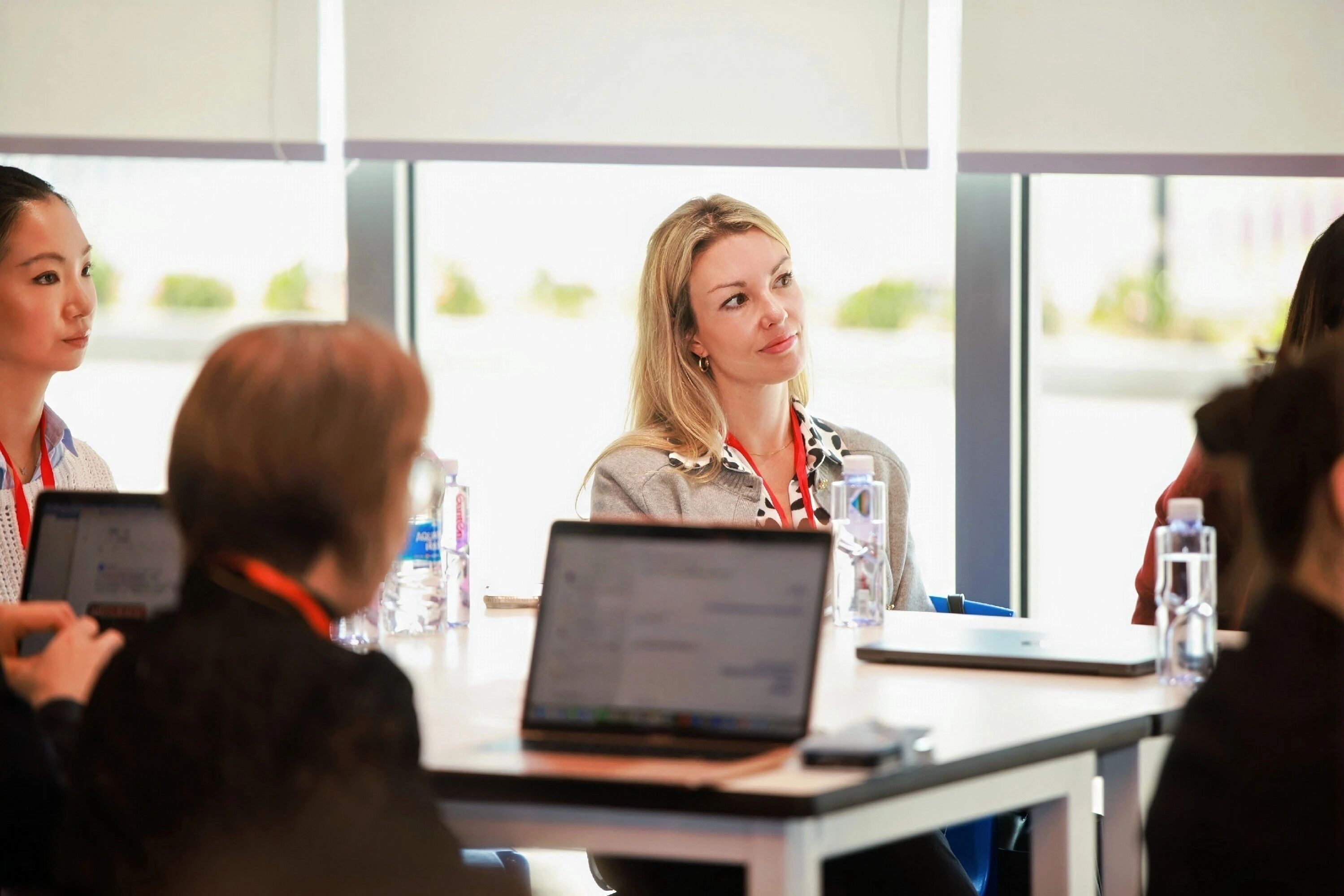
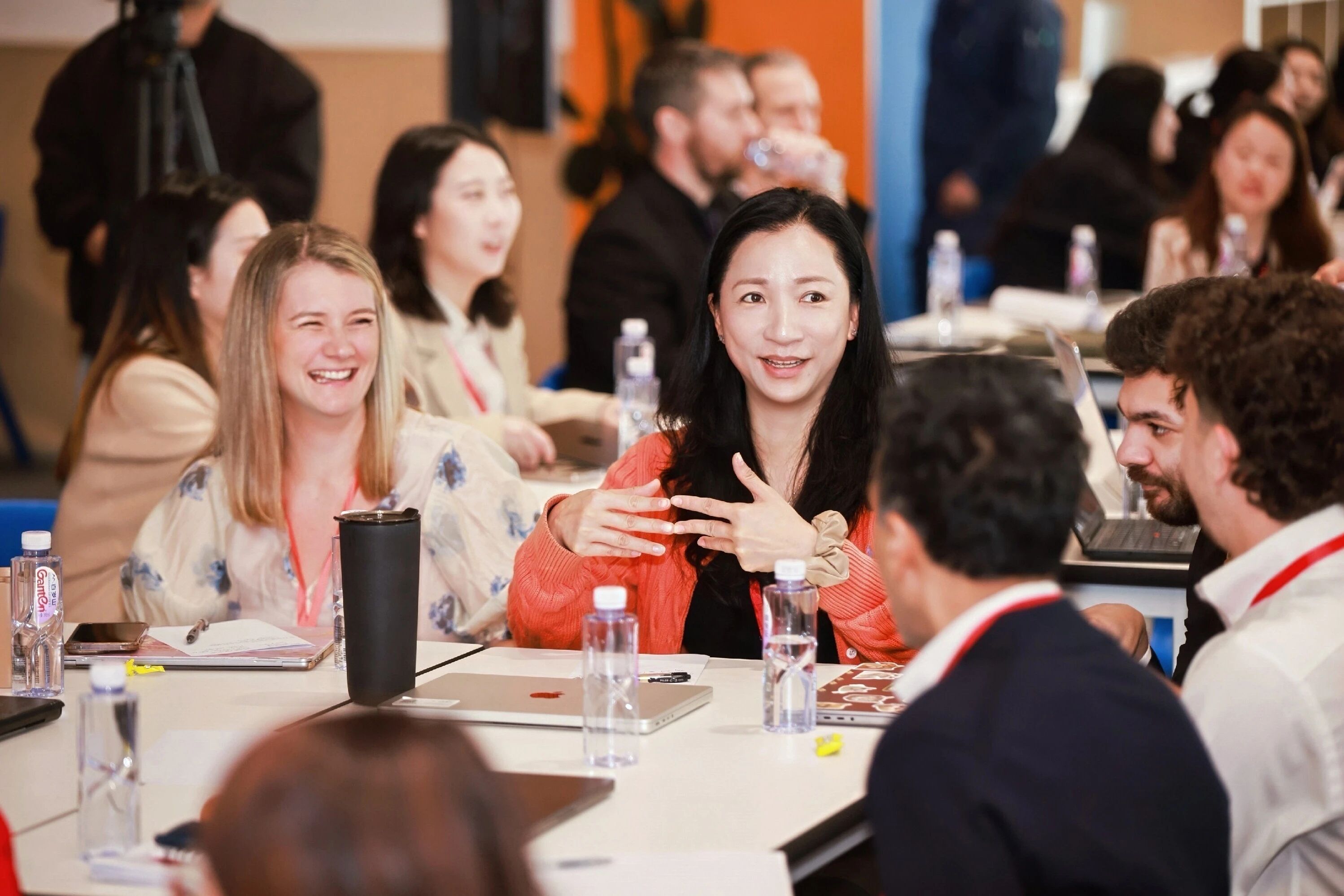
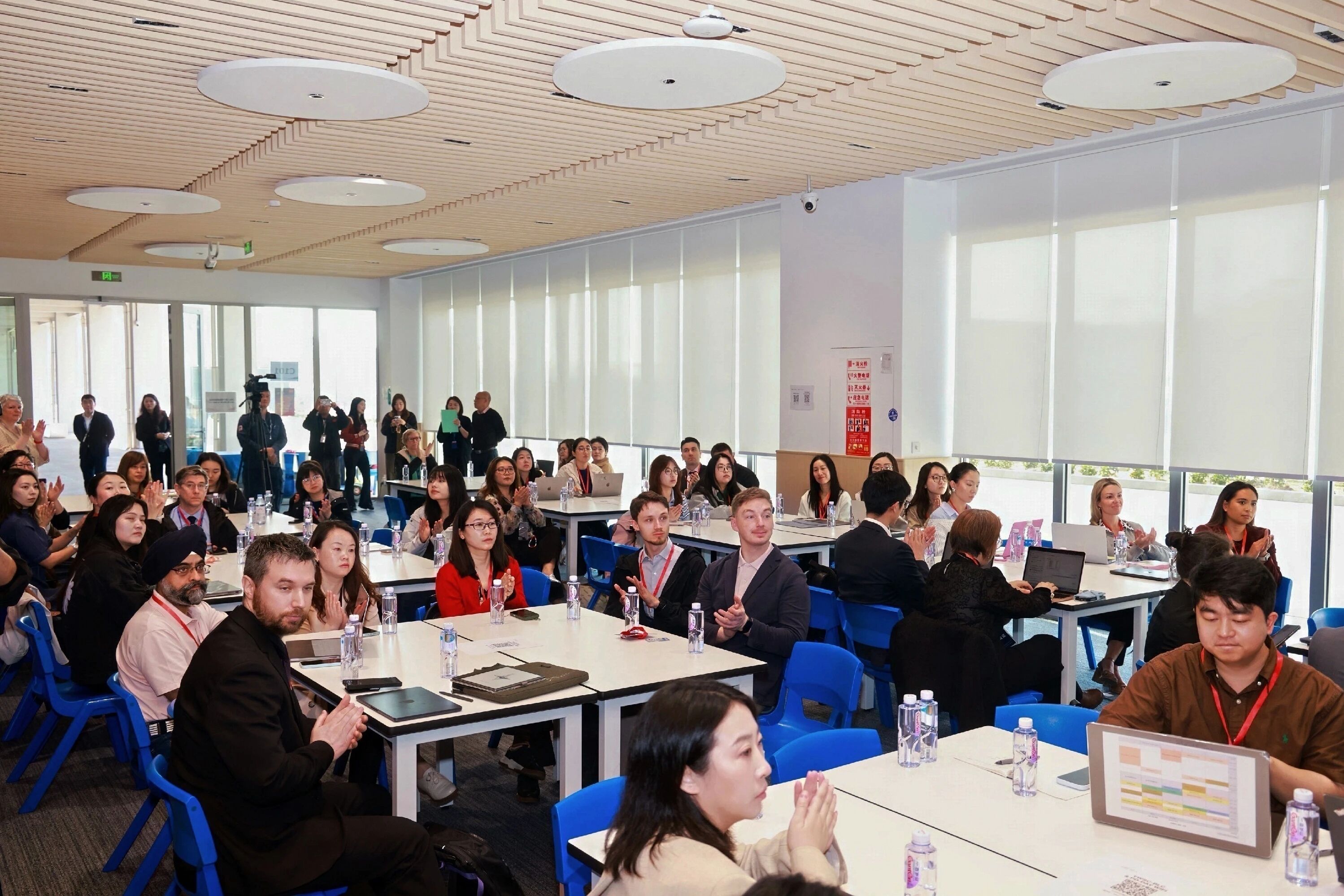
On March 12th, Yew Chung Yew Wah hosted a grand intellectual event for educators -- the 2025-26 Yew Chung Yew Wah Bilingual Learning Communities (BLC) Documentary and Conference. Nearly one hundred education practitioners from all Yew Chung Yew Wah campuses gathered to explore the prospects and directions of the Bilingual Learning Communities through listening to the keynote speech and taking part in 16 parallel workshops.
Since the BLC Framework was established in 2019-2020 and implemented during the 2022-2023 academic year, BLC, an innovative education model rooted in the Yew Chung Yew Wah notion of “Learning Communites”, has taken root, blossomed, and borne fruit in all campuses. This conference is not only a review and culmination of past explorations, but also a demonstration of our vision for the future.
01 An Intellectual Event on “Connections and Empowerment”
Why do we hold such a conference? This is already the third one - the first in Hong Kong, the second in Beijing, and now the third in Guangzhou.
“After the first conference was completed, we have received responses from many teachers, expressing their wish for having the second conference, which we did not originally plan to do.” Dr Fei Lam, Subject Director of Humanities and Subject Directors Coordinator of Yew Chung Yew Wah Education Network, recalled this smilingly. “They also requested that the conference to be held in-person rather than online because the in-person format would allow more opportunities for deeper interactions and follow-up dialogues, which result in connections.”
It was how this Guangzhou meeting came about. The notion of “connections” aptly aligns with the theme of our conference: "Building Connections with Confidence: Empower and Change."
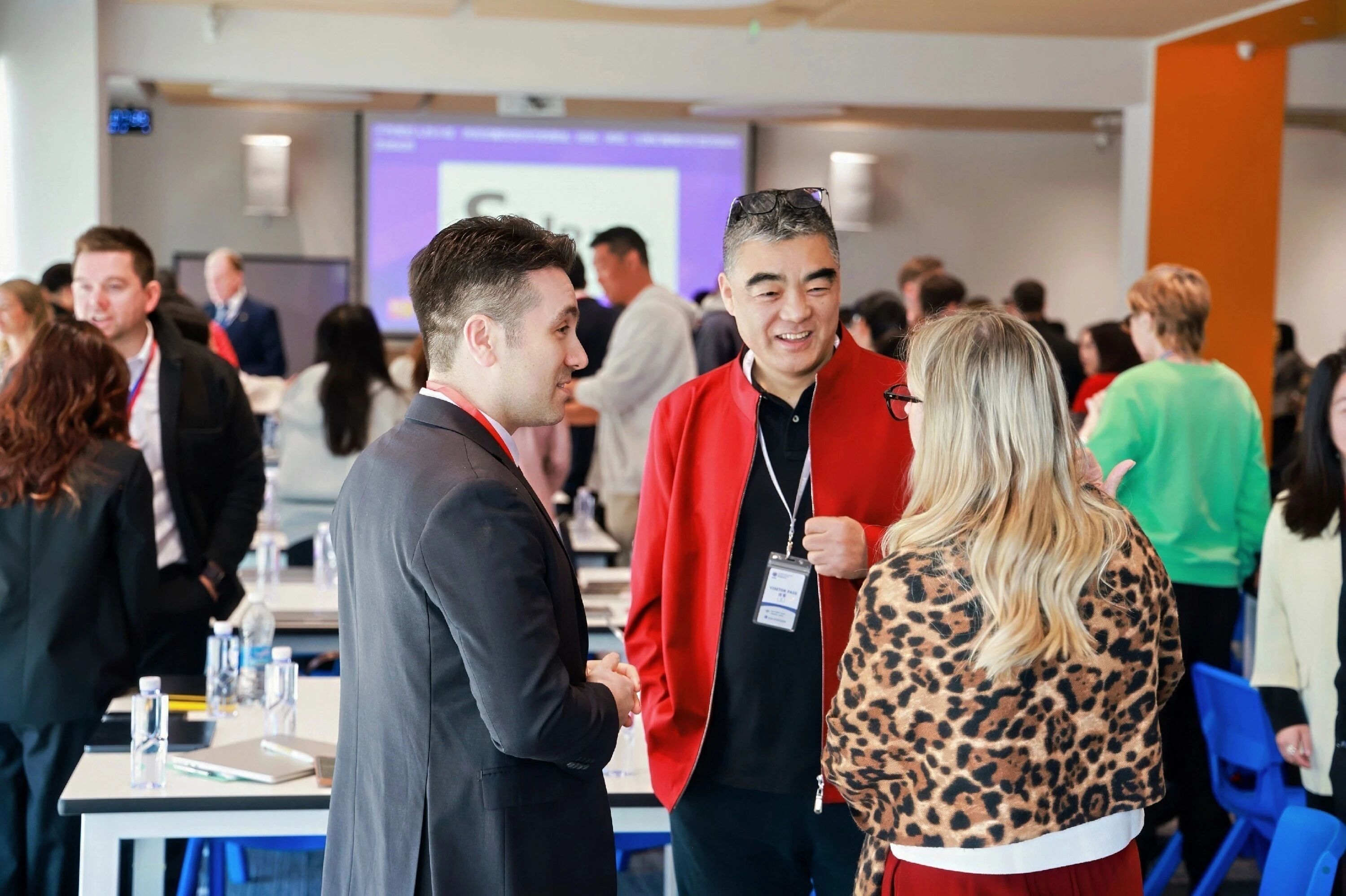
This event went beyond presentations and sharings, and actually created a platform connecting colleagues who have been experimenting with different educational practices across all campuses. It allowed their efforts and transformations to be seen and responded to. Through the process of mutual recognition and deliberations, they drew strength to continue with their educational improvements and transform their lessons.
02 Focusing on Practices: A Clash of Ideas within the Workshops
As Dr Lam emphasized, “BLC is built upon our years of commitment to bilingual education, incorporating the elements of learning communities and student-centered learning. In our early practices, we found that only by ‘integrating Chinese and English languages’ could not provide solutions to all problems arising from the BLC Framework. What we need to consider more is how to persistently place students at the core of learning in the language learning process, which is what we often call the ‘student-centered learning’.”
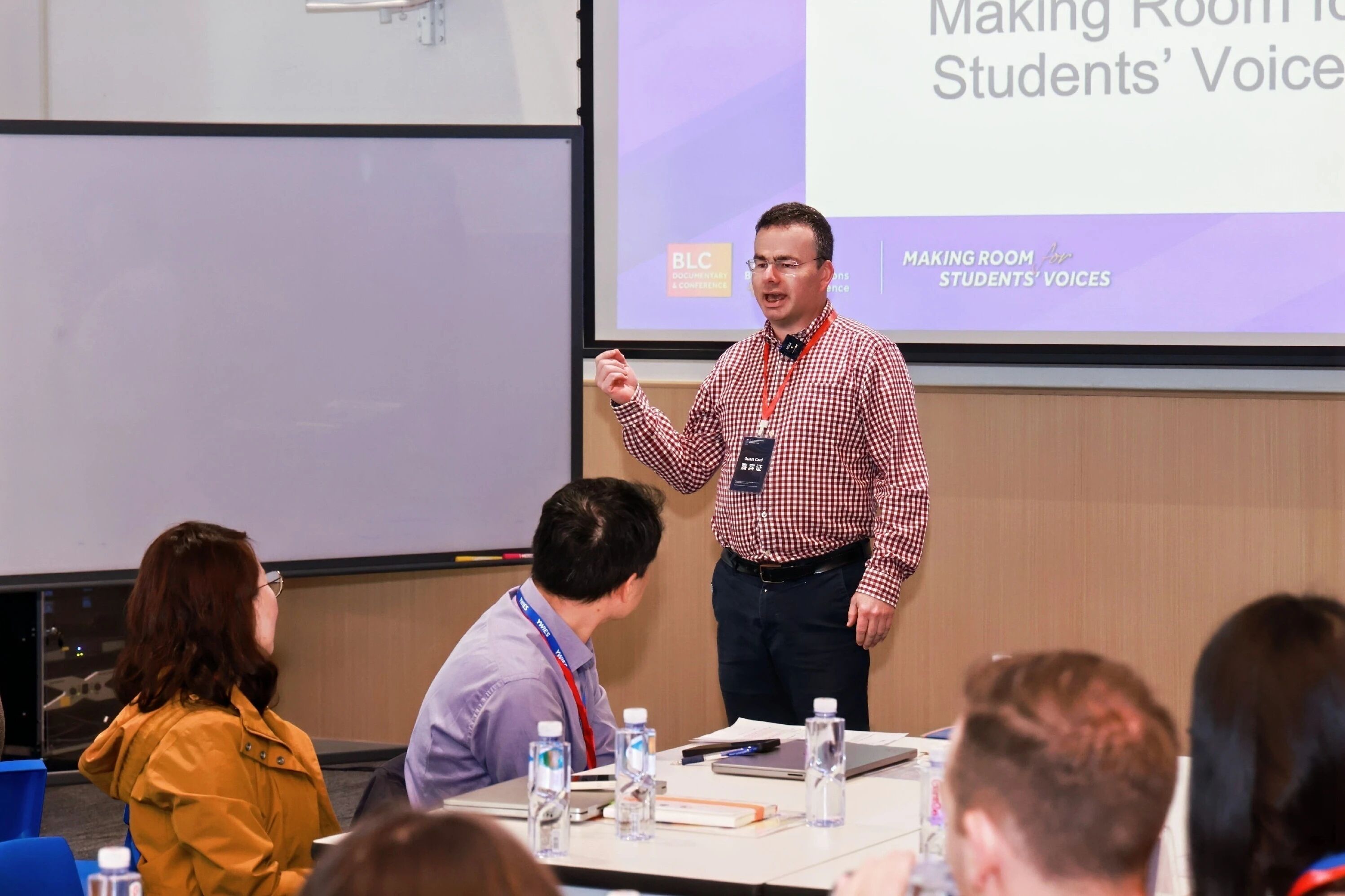
The conference featured a keynote speech spoken by renowned British philosophy educator Jason Buckley, titled “Making Room for Students’ Voices”. Through a series of thoughfully-designed games and dialogues, Jason demonstrated to the teachers the way to enable every student, especially those who are shy about speaking up, to find their voices in the classrooms. He emphasized, "True listening is the willingness to be transformed." This viewpoint aligns perfectly with BLC's notion of "Active Agency" and set the tone for the day's discussions.
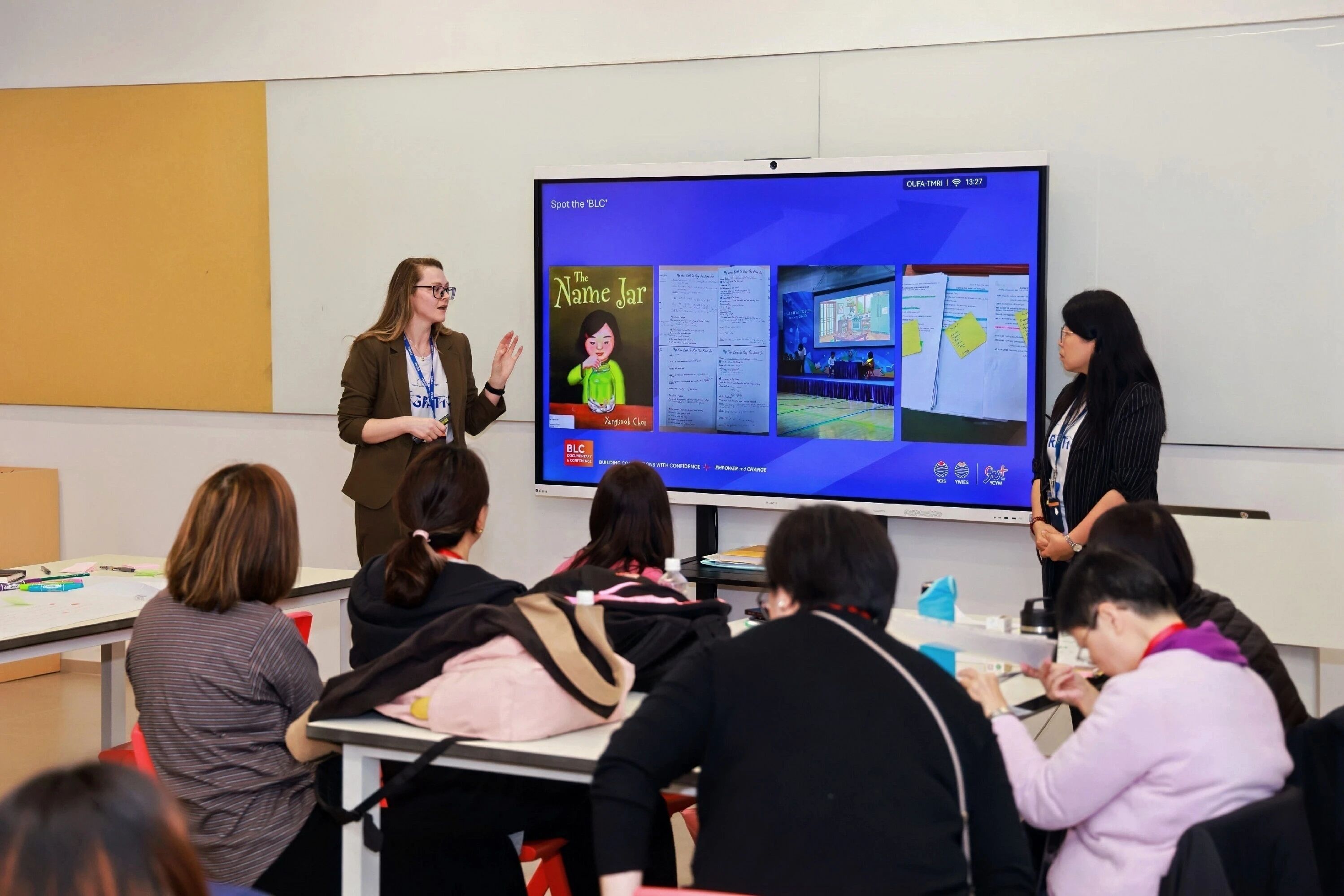
The subsequent sixteen workshops approached the theme from different angles, responding to the four core features of BLC: A - Active Agency, B - Bilingual & Multilingual Learning, C - Cognitive & Collaborative Enquiry, and D - Dynamic Curriculum. Sharings from campuses in Hong Kong, Shanghai, Chongqing, and Yantai made these characteristics visible and tangible in real classroom settings.
Deep interdisciplinary integration became a common goal for explorations in many workshops. “The Interdisciplinary Journey to Siheyuan’’ engaged by the Y9 students from YCIS Beijing, guided by the Chinese language curriculum, has integrated the content of Chinese Studies and Digital Literacy programmes, allowing students to not only visit Mei Lanfang's former residence but also utilize CoSpaces and AI tools for creative productions. Specific tasks were designed for students of different Chinese proficiency levels: advanced-level students wrote poems, upper-intermediate students engaged in debates, intermediate students created AI music videos, and beginner students designed animated postcard, ensuring that every child could participate fully within their zone of proximal development.
The cultivation of student agency was a recurring theme across many presentations. The presentation from YWIES Yizhuang Campus examined the question of “How to Evolve from Teacher-centred to Student-centred Approach in Projects?”. When news of a bridge collapse in Sichuan sparked a discussion in class, the students could not help raising the question, “Why did the bridge collapse?’ and ‘How can we make the structure stronger and more secure?” This was the ideal starting point for the BLC projects. Rather than providing answers, the teachers presented the students’ questions, tasks and knowledge requirements visually on the ‘BLC Framework Wall’, making the learning process visible. Students could clearly see their own contributions, becoming a genuine co-constructors of their learning.
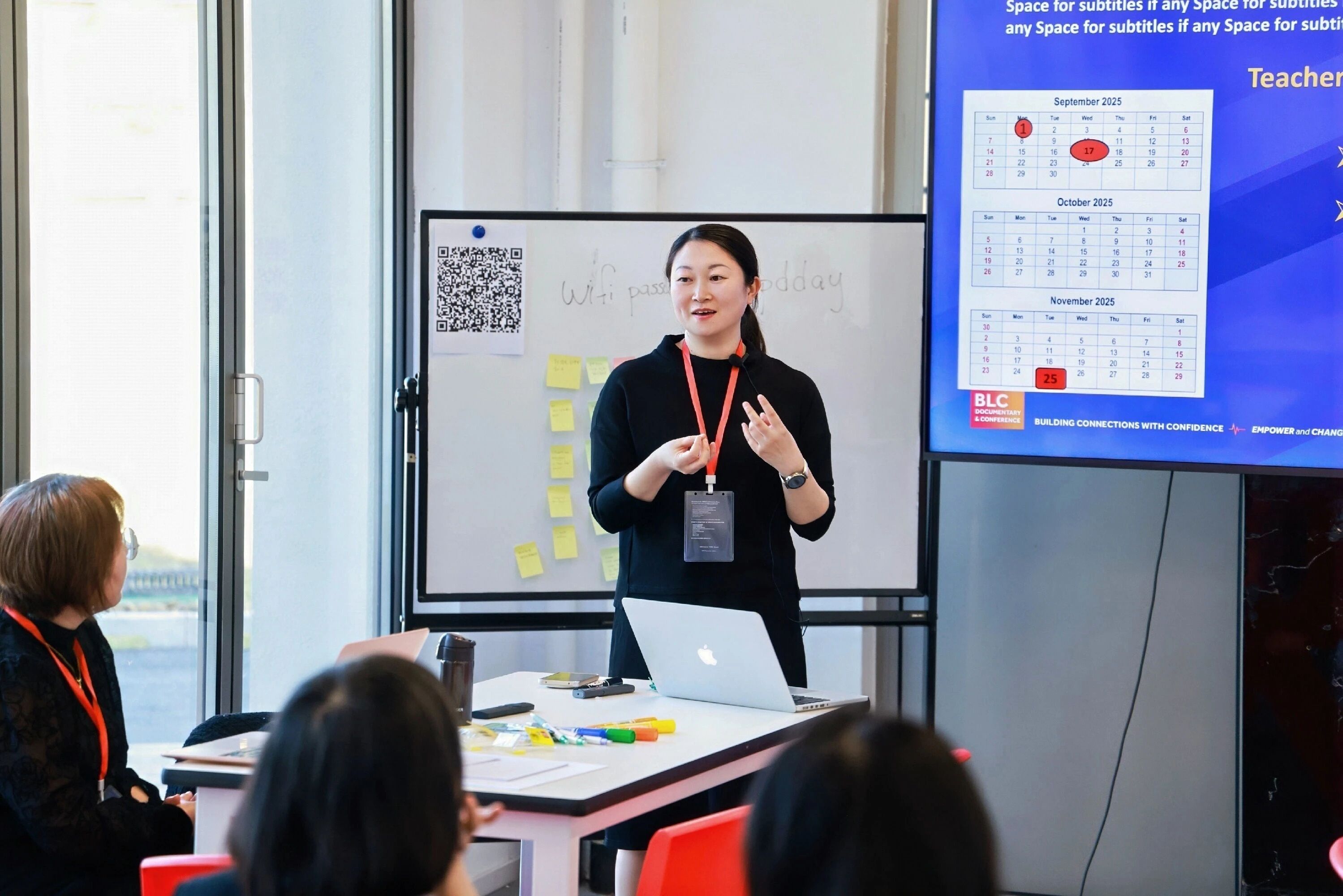
How technology can empower BLC is another topic of great interest. David Wood from YCIS Qingdao delivered an inspiring workshop, demonstrating to teachers how to use AI programming to tailor teaching tools to their individual needs. “All information on computers can be created by AI, therefore you may use AI to create digital resources according to your needs.” From interactive course content to differentiated tests, from classroom discussion assistants to self-made educational games, teachers have become educational creators, using technology to broaden the scope of learning.
Sixteen workshops, complemented by sixteen paths of exploration, all pointed to one single direction: to make learning truly happen and to empower students to become the masters of their own learning.
03 Evident Growth: The Making of Reflective Practitioners
Given that the workshops manifested a profound collision of ideas, the showcase of the G1 to G8 BLC projects at YWIES Guangzhou was the most vivid illustration of the practice.
From “The Three Little Pigs Exploring the Plant Kingdom” in G1 to “Interdisciplinary Reading of the Whole Book Lychees of Chang'an” in G8, each exhibition was a display of an authentic learning journey.
Dr Fei Lam spent considerable time staying at the G5 exhibition counter titled ‘Immigration’. A student shared with him the story of his PE teacher who is a Cambodian who first moved to Australia, subsequently travelled to many places for work, and is now teaching PE at YWIES Guangzhou.
“This student took a great deal of time telling me about his PE teacher,” Dr Lam recalled later in an interview. “This proves to us that, students also learn from other people, who serve as an alternative source of knowledge, apart from their subject teachers. Every adult in the school can be a resource for learning.”
The G6 ‘Insects’ project integrated Chinese language, English language and Art, using ‘insects’ as a medium to explore literary imageries, bilingual expression and artistic creation from multiple perspectives. In the G7 ‘Sustainable African Villages’ project, students used English as the primary tool to conduct research, collaborate on designs, engage in debates and present models of sustainable cities. In the G8 ‘Science, Poetry and Song’ project, students transformed concepts learned in science lessons, such as acids and bases, reproduction and metal reactivity into poetic imageries, which were eventually merged with music. Through the process of transforming scientific knowledge to poetic expressions, and finally to musical pieces, cross-disciplinary integration was taking place.
In his communication with students, Dr Lam never expected to hear from them boasting about “How well I did” but “in which areas can I do better next time”.
“This is one of the most valuable competencies for the future society,” Dr Lam said, “because with reflective thinking, students do not learn by being taught, rather they learn and improve themselves through self-reflections. This competency supports students to adapt to changes and uncertainties. To implement BLC effectively, what we require is reflective practitioners – practitioners who are capable of engaging in reflections; professional teachers who possess the ability to undertake self-examination. This is also what we expect from our students – becoming learners who have the capacity for reflections.”
04 Learning Beyond Borders: Breaking the “Lonely-Island Effect” between Disciplines
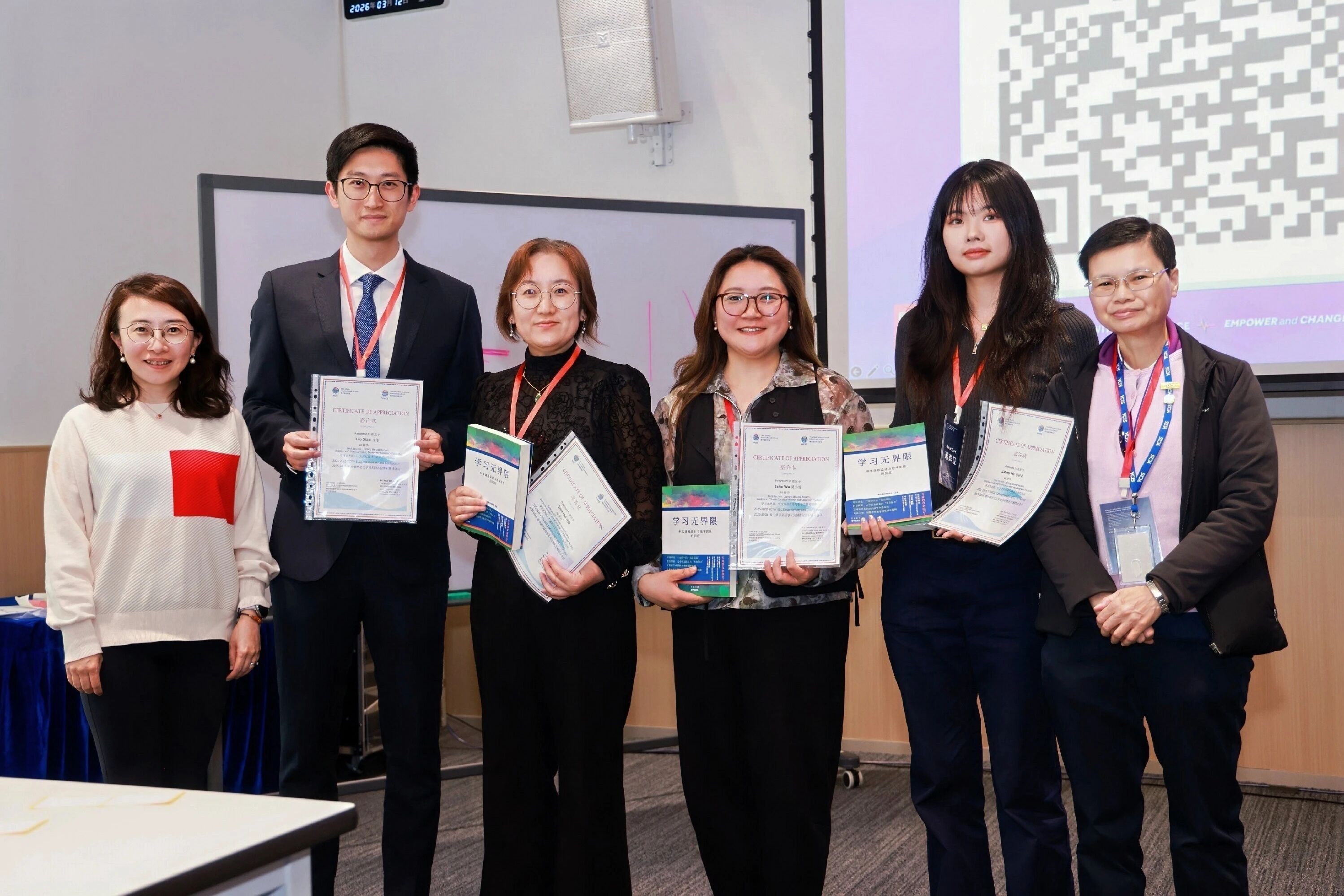
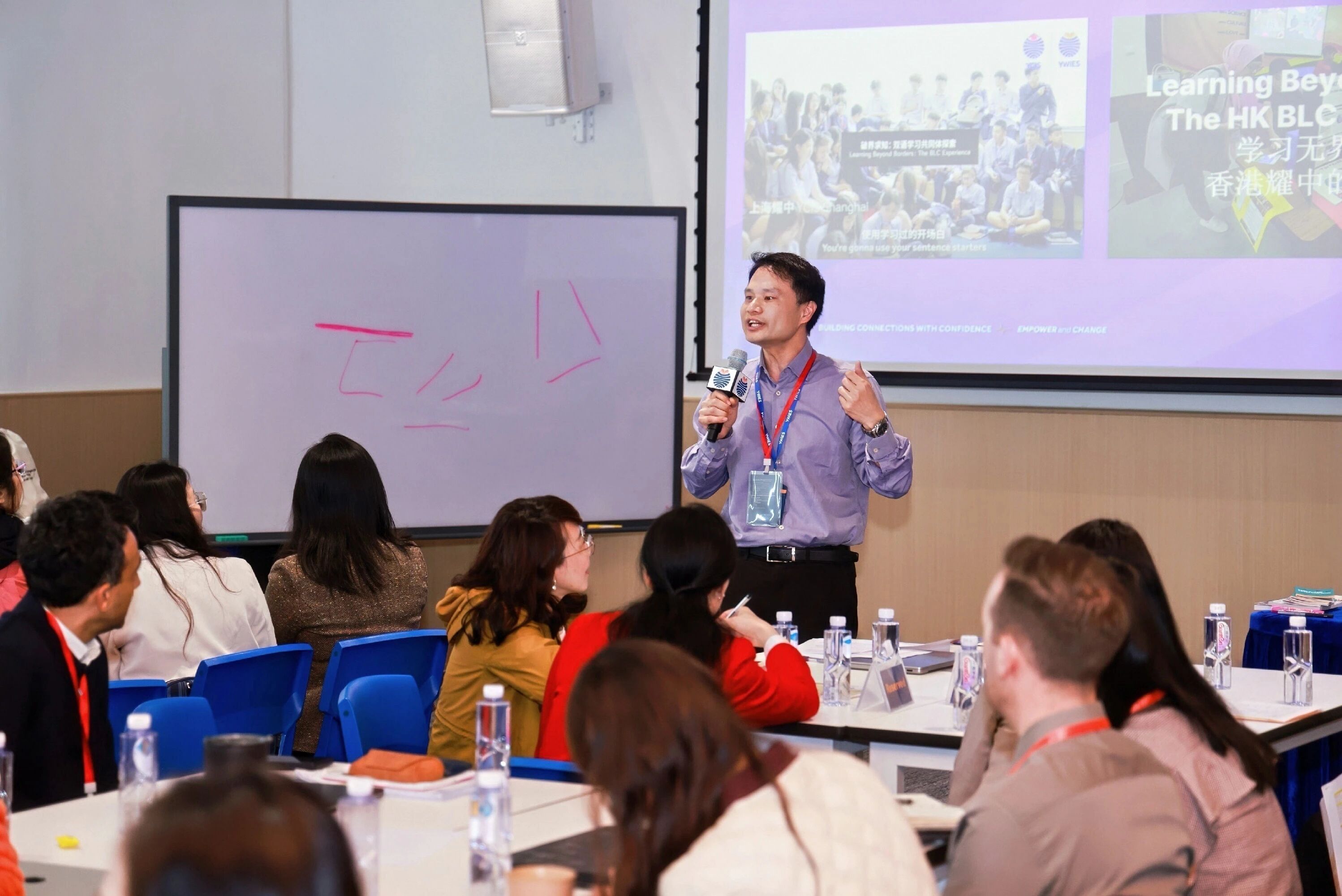
At the end of the event, a book launch on Learning Beyond Borders: Insights on Chinese Curriculum Design and Classroom Practices was announced by Dr Lam. This collection of essays, comprising two sections, Part One: Curriculum Design and Part Two: Teaching Practices, represents the blood, sweat and tears put in by the Yew Chung Yew Wah's frontline teachers and the curriculum team. It marks a significant journey of exploration made by Yew Chung Yew Wah to advance Chinese education towards academic research and innovative practices.
In the preface, Dr Betty Chan Po-king, CEO and School Supervisor of Yew Chung Yew Wah Education Network, introduces a thought-provoking notion – the “Lonely-Island Effect”. In traditional lessons, Chinese language is often taught as a single subject and independent from other disciplines. However, in the context of Yew Chung Yew Wah’s Bilingual Learning Communities which promotes interdisciplinary learning, the concept of “subjects beyond borders” not only allows Chinese language learning to connect with the real world, but also makes language a “hyperlink” for students to construct knowledge.
Education should know no bounds. When we connect our curriculum to students’ real lives, and integrate language learning with cultural understanding, learning transcends the confines of the classroom, becoming an endless journey of discovery.
The one-day conference was fleeting, yet fulfilling. As the teachers of Yew Chung Yew Wah schools departed from the venue, not only did they take away stacks of notes and materials, but also a deeper understanding of and more profound insights into the Bilingual Learning Communities.
The journey of exploration for the “Bilingual Learning Communities” will keep going. As the theme of this conference states - “Building Connections with Confidence: Empower and Change", we look forward to seeing more teachers and students finding their voices and shining their light within the Yew Chung Yew Wah Bilingual Learning Communities in the future, as well as working together to promote the communities’ development.
When everyone can express themselves confidently and explore courageously, learning is no longer a one-way transmission of knowledge, but a never-ending journey of shared growth.