


Go Back
News
Alumni Stories
Enriching the Human Experience Through Architecture and Design: An Interview with Ms Kay Shi Qi Tu—YCIS Alumna, TU by TU Founder, and UK-Registered Architect
Alumni Stories
03 Nov, 2025
15 : 18
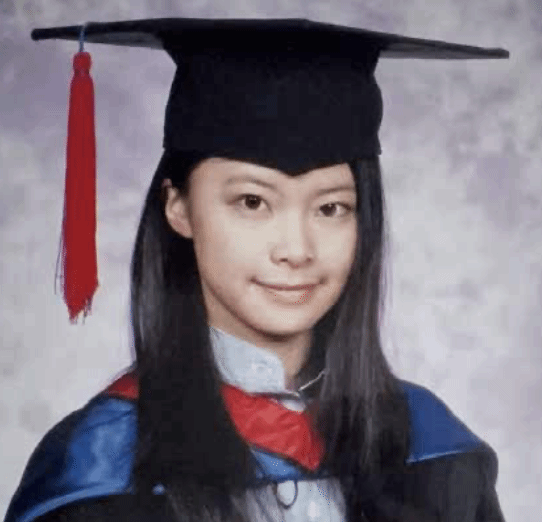
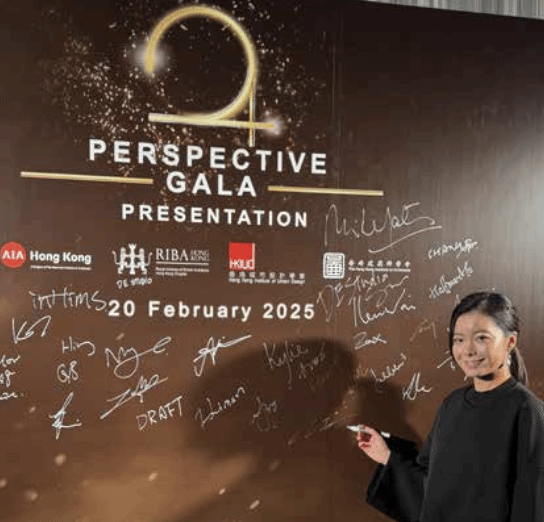
From YCIS Shanghai to University College London, and then onward to a cross-city practice in London, Hong Kong SAR, and Shanghai, Ms Kay Shi Qi Tu defines her architectural journey as human-centred, multidisciplinary, and sustainable. She previously led large-scale projects at Zaha Hadid Architects and later founded her own firm TU by TU, weaving culture and innovation into her spatial creations. Joining the YCYW Alumni Hall of Fame in 2025, Ms Tu shared her design philosophy and how a YCYW education had paved her pathway to the global stage.
 |
 |
 |
Induction to the YCYW Alumni Hall of Fame
Congratulations on your induction in 2025 into the YCYW Alumni Hall of Fame! What does this recognition mean to you?
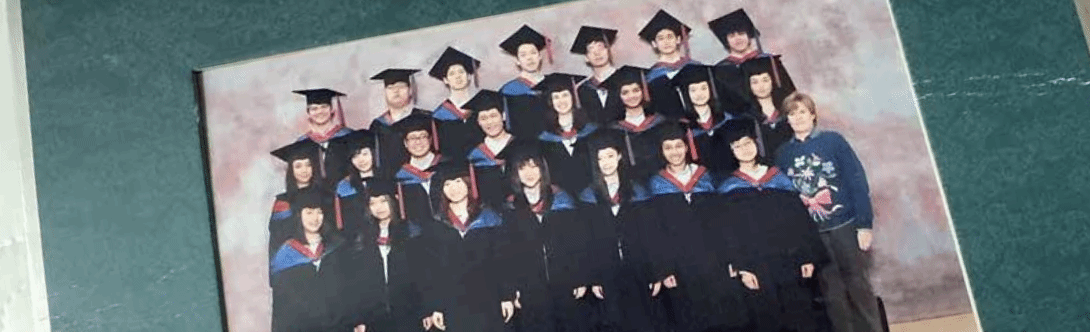
I am deeply honoured to be recognised by the YCYW community. My years at YCIS shaped who I am and how I see the world, taught me to listen across cultures, and helped me to find my voice. This recognition feels like coming home, and it reminds me that those early lessons still guide my path and purpose every day.
Back to the beginning: During your time at YCIS, which specific teachers, courses, or projects sparked your interest in architecture?
It began with the freedom to explore different interests. I found my passion for art, physics, and maths, and my IB art teacher, Ms Mannerheim, suggested that I should consider architecture. That suggestion came to life during a YCYW Thailand trip, laying bricks for a local school. Even under the hot sun, the satisfaction I gained from helping people build their facilities—and seeing the impact on the community—was very meaningful.
Design Philosophy and Methodology
You often say “architecture and design should enrich the human experience.” In your own words, what perceivable or measurable dimensions are involved in this enrichment?
Good design is not just beautiful. It invites people to gather, to meet, to exchange ideas, or simply to share a moment. It references local stories, materials, traditions, and the natural environment so that people can feel rooted. It inspires thought and quiet reflection. Above all, it connects people to one another, to their community, and to the environment. This is how design enriches the human experience, sometimes measurably, sometimes simply felt.
Cross-City Practice and Cultural Integration
By having practised in London, Hong Kong SAR, and Shanghai, what challenges and inspirations have you encountered? How have these cities shaped your design vocabulary?
Growing up in an international community gave me the courage to work across cultures, so moving between countries and blending into different working styles felt natural. Professionally it has been challenging because each city has its own regulations and codes, but this taught me to see the holistic vision and design with care. In London, I learned to protect heritage and work with context. In Hong Kong SAR, I learned clarity in density and how to lift spatial quality within limited space. In Shanghai, I learned speed, scale, and how to handle complex geometry. Together, these places shaped how I design.
Professional Journey: Zaha Hadid Architects
As a Lead Architect at Zaha Hadid Architects, what types of large, complex projects helped you cultivate the ability to “push boundaries”?
I am grateful for the six years I spent at Zaha Hadid Architects, where I worked on projects across regions and through many stages of delivery, from the early stages of concept design to completion. The studio’s design language is far from conventional, and this pushed me to learn how to rationalise complex forms, so that they can move from the computer into buildable reality. Notably, I worked on the new Science Centre Singapore, which is now under construction.
 |
 |
Entrepreneurship and Sustainability: TU by TU in Practice
Moving from a leading global firm to founding TU by TU, what prompted you to take that leap? What was the most critical mindset shift?
After 13 years away, I was also thinking about moving closer to home. I entered an open competition for a project in Hong Kong SAR, and was fortunate to be selected. After delivering the project, I chose to stay and establish my own design studio. Since I was young, I had always wanted to start my own business. After years at a large firm, the learning curve had begun to level, so I craved bigger challenges and greater responsibilities. Exposure to IGCSE and IB Business gave me the foundation to step out of my comfort zone, even without formal business-school training.
Signature Project Deep Dive: Rhythm of the Dragon
Your recent installation, Rhythm of the Dragon, on Hong Kong SAR’s High Island — could you share the project’s inspiration and how it was realised?
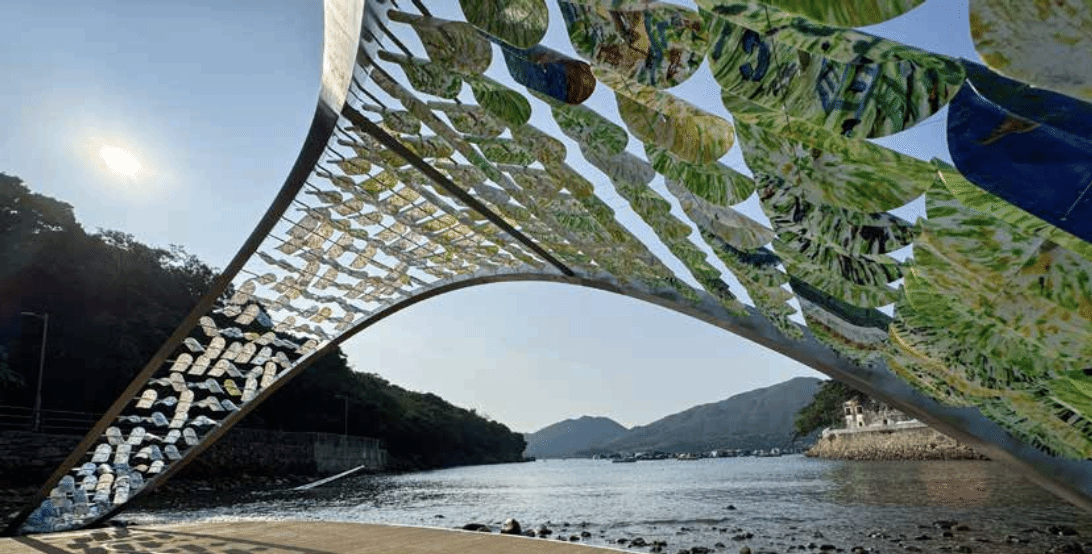
“Rhythm of the Dragon” was inspired by High Island’s heritage as the former Dragon Boat Bay, where villagers once transported supplies in long boats resembling dragon boats, a symbol deeply rooted in local songs and traditions. Set on a beach where land and sea converge, the installation embodies this cultural and natural rhythm: its tail submerges and re-emerges with the tides, and its recycled plastic scales shimmer in the wind. Each colour on the scales draws from the distinct buildings of nearby villages, symbolising unity among communities. Serving as a performance stage and gathering space, it celebrates both the cultural spirit and environmental vitality of High Island.
Media and Recognition
What industry recognition or collaboration opportunities did coverage in Architects’ Journal and ArchDaily bring? How would you advise young designers to approach “awards and the media”?
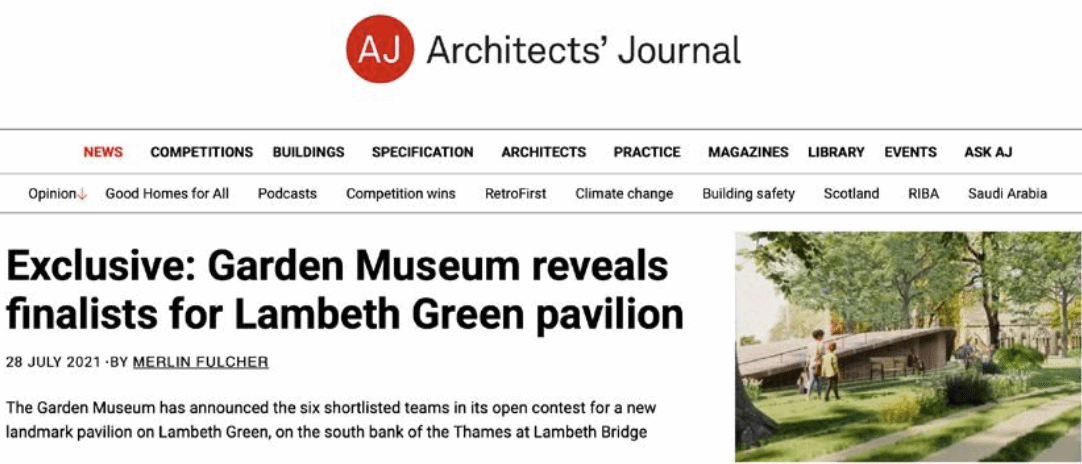
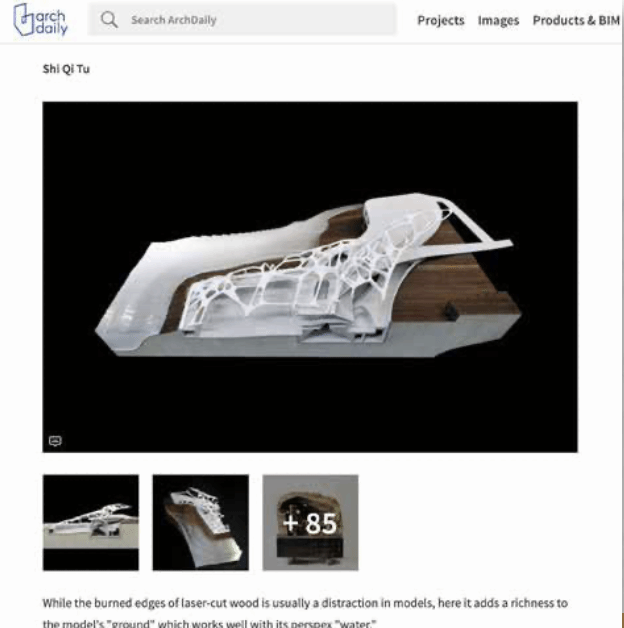
Coverage in media such as Architects’ Journal and ArchDaily opened valuable doors for collaboration and dialogue. It brought our work to a wider professional audience and connected us with designers, material innovators, and institutions who shared similar values. For young designers, I think awards and the media should be seen less as an end goal, but more as a way to exchange ideas and reflect on your work.
 |
 |
 |
 |
Advice
As the founder of TU by TU and a practising architect, how do you establish professional authority while balancing a high-intensity workload with life?
Balancing work and life have been a continual process of learning, and I believe each stage of life brings different priorities. Since founding TU by TU a year ago, my focus has naturally been on building the studio and setting its direction. Professional authority grows from experiences, from decisions that hold under pressure, and from taking responsibility when the stakes are high. I pair that with an open way of working, staying true to who I am so that the leadership feels human and the work stays grounded.
Ties with Alma Mater
In your view, what are the core strengths of YCYW graduates? What insights can you offer to parents and our broader readers?
As a YCIS alumna, I believe our greatest strengths are being open-minded, curious, and adaptable. Growing up in such a multicultural environment taught me to listen, to embrace differences, and to connect with people from all walks of life. We learned to move easily between languages and cultures, to ask questions, and to stay curious about the world around us. These qualities have shaped how I work and collaborate today. For parents and readers, I think this shows that YCYW nurtures more than academic excellence, YCYW nutures global citizens who are empathetic, confident, and ready to contribute meaningfully wherever they go.
Rapid-Fire
Three things that inspire you
Nature, spaces, podcasts
A book/an exhibition/a building that has influenced you the most
“Noguchi” – Exhibition at the Barbican
A material or craft you most often fall in love with at first sight
Wood
Three words to describe TU by TU
Human, curious, sustainable
“Future cities” One keyword
Co-existence